The best first window to tint is the one tied to a repeated, specific problem—not automatically the darkest or largest pane. Track when glare or warmth occurs, which seat or task it affects, and whether it follows the same window from trip to trip. That record helps distinguish one troublesome exposure from a vehicle-wide need.
Map the problem to a window and a time of day
For several trips, note whether the sun angle is limited to one route or recurs across different directions of travel. A sun angle that bothers you only on one route may point to a time-and-direction issue; discomfort recurring at the same seat across trips makes that pane a stronger candidate.
Separate direct glare from general brightness. Glare is an uncomfortable or distracting source in the field of view; warmth can affect a passenger even when nobody is looking toward the sun. If both happen together, note which one is more disruptive. That distinction helps you describe the desired change rather than asking for a vague reduction in sunlight. Also note whether the problem occurs while driving or while parked. A recurring exposure during a trip is a different use case from a cabin that feels warm after sitting in a sunny parking space, so identify which situation matters most.
Prioritize people and tasks, not just the glass
The driver's view is a separate consideration from passenger comfort. Think about the conditions in which you drive—such as dusk, rain, or poorly lit roads—and whether a change to a particular window could make it harder to see through the glass. Include mirror checks and shoulder checks in that review, not just the forward view. Keep visibility at the center of the decision for windows that contribute to driving sightlines; a comfort improvement is not useful if it makes ordinary driving feel less clear.
For passengers, start with the seat that is actually occupied and the direction its window faces during the trips that matter. A frequently used rear seat may deserve attention before an empty front seat, even if the latter receives more sunlight at other times. For a cargo area, clarify whether the concern is warmth, the amount of light entering, or the view into the vehicle; those are different goals and may lead to different priorities.
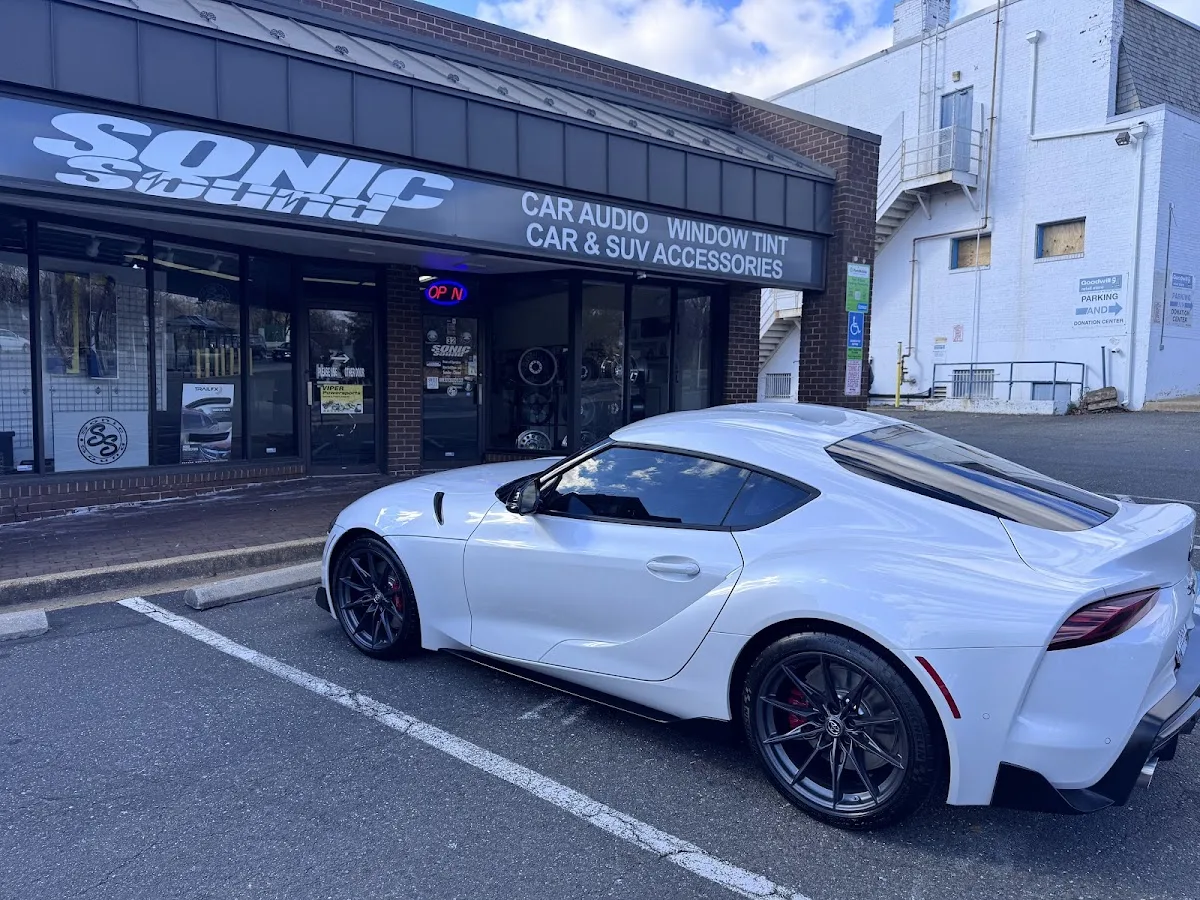
Arlington drivers can find contact details for Sonic Sound.
Compare targeted coverage with a coordinated set
Compare the approaches by asking whether the problem is limited to one pane or shared by several occupied areas, and whether visual consistency matters to you. Tint changes the light passing through the treated pane, not the sun’s position, and untreated glass remains an opening for light. If exposure moves from one side of the car to another during the day, compare those windows together before deciding that a single-pane treatment fits the pattern.
| Approach | Fits best when | Main trade-off |
|---|---|---|
| Targeted panes | One seat or window has a recurring exposure | Other areas may still feel different, and the vehicle may have a less uniform appearance |
| Coordinated set | Several seats share the problem or visual consistency matters | It includes panes that may not address a recurring discomfort |
Use a real trip pattern to make the first choice
Imagine a driver who repeatedly encounters low afternoon sun beside the front passenger seat on the commute. If that seat is often occupied and other windows are not causing comparable discomfort, the adjacent pane is a clear first priority. If the driver also regularly carries rear passengers who report the same exposure, add those seats to the comparison and weigh their use against the cost and appearance of a more complete set.