If you cannot cover every painted surface with paint protection film (PPF), start where repeated road debris is most likely to strike: the front bumper and the forward-facing portions of the hood and front fenders. Then adjust that order to match your routes and the chip patterns already visible on your car. A useful first stage protects a clearly defined area rather than scattering film across several panels without a clear priority.
Separate impact protection from other paint concerns
PPF is a transparent physical barrier applied over paint to help reduce damage from road debris and light abrasion. That makes it relevant when the concern is small impacts from gravel or similar material, not every reason paint can look worn. It does not repair a chip that is already there, prevent dents, or solve fading; those problems call for different decisions.
Before ranking panels, name the kind of damage you want to reduce. If the concern is repeated small chips on the nose of the car, front-facing coverage is a logical place to evaluate. If the paint issue is a deeper scratch, a dent, or deterioration over a broad area, adding film does not substitute for assessing that existing condition. Matching the material to the risk keeps the coverage decision focused.
Rank panels by exposure on your actual routes
The front bumper, leading edge of the hood, and front fenders are common starting points because they face forward into debris encountered or thrown up on the road. But the best order for one driver may not fit another. Use a simple exposure map: consider where the car meets debris, how often that happens, and whether the same area shows recurring chips.
Use the table as a starting point, then move a panel up or down based on your own driving and the condition of the paint.
| Area | Why it is often considered | When to prioritize it |
|---|---|---|
| Front bumper | Faces forward and is exposed to road debris | It is a frequent impact area on your car |
| Leading hood and front fenders | Forward-facing painted surfaces near the front | Visible chips or your route point to these areas |
| Mirror caps or lower side panels | Can be exposed in particular driving conditions | Your regular roads repeatedly send debris toward them |
For example, imagine two otherwise similar cars. One spends most of its miles on open roads and has small chips near the hood’s front edge; the other is used mainly on slower local streets and shows repeated marks on lower side panels. The first driver has a concrete reason to keep front coverage high on the list. The second can use the observed marks and route to decide whether those lower areas deserve earlier attention, rather than treating a generic front-end ranking as mandatory.
Compare the coverage boundary, not just the package name
Once you have ranked the areas, turn the list into a map of actual panels and edges. “Partial hood” and “full hood” describe different amounts of protected paint: partial coverage leaves part of the panel exposed, while full-panel coverage extends over the whole hood. Film edges can be visible, and the uncovered part remains outside the protected area. The same distinction applies when comparing a complete bumper with smaller pieces such as mirror caps.
Use a written or diagrammed scope to compare options consistently: identify each panel, whether coverage is full or partial, and where each film boundary will sit. This makes it easier to see whether a proposed combination protects the spots you ranked or merely adds several small areas. If a boundary would fall across a prominent surface, include that visual trade-off in your choice instead of comparing only the number of panels.
Build a first stage around a real driving pattern
For frequent highway driving and a limited budget, compare a defined front-end area with a smaller selection of individually targeted panels. A coherent front-end stage may suit a driver whose repeated concern is forward impact; a targeted selection may make more sense when one or two other areas show a stronger, consistent exposure pattern. The deciding question is not which option sounds largest, but which clearly specified coverage protects the paint where your own use makes impact risk most relevant.
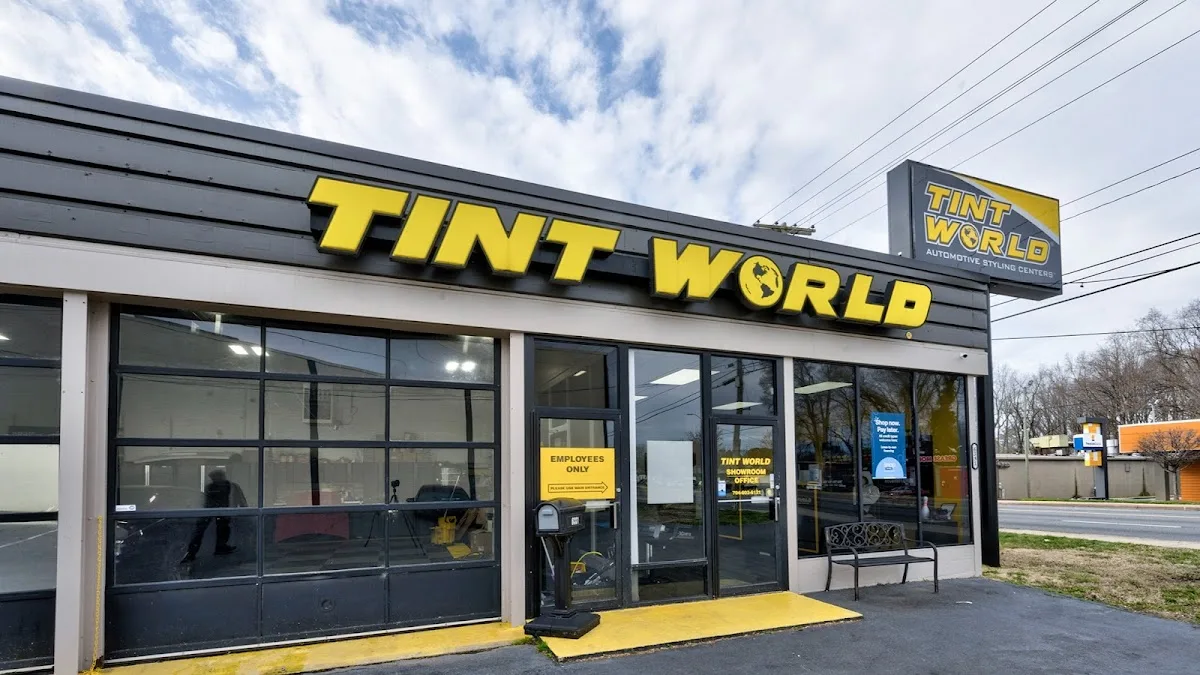
Charlotte readers can find Tint World as a local point of reference.
Before choosing, write down your top two exposed areas, mark any existing chips separately, and compare the exact film boundaries offered for each stage. That short map gives you a practical way to prioritize coverage now while keeping the remaining panels as a deliberate later choice.