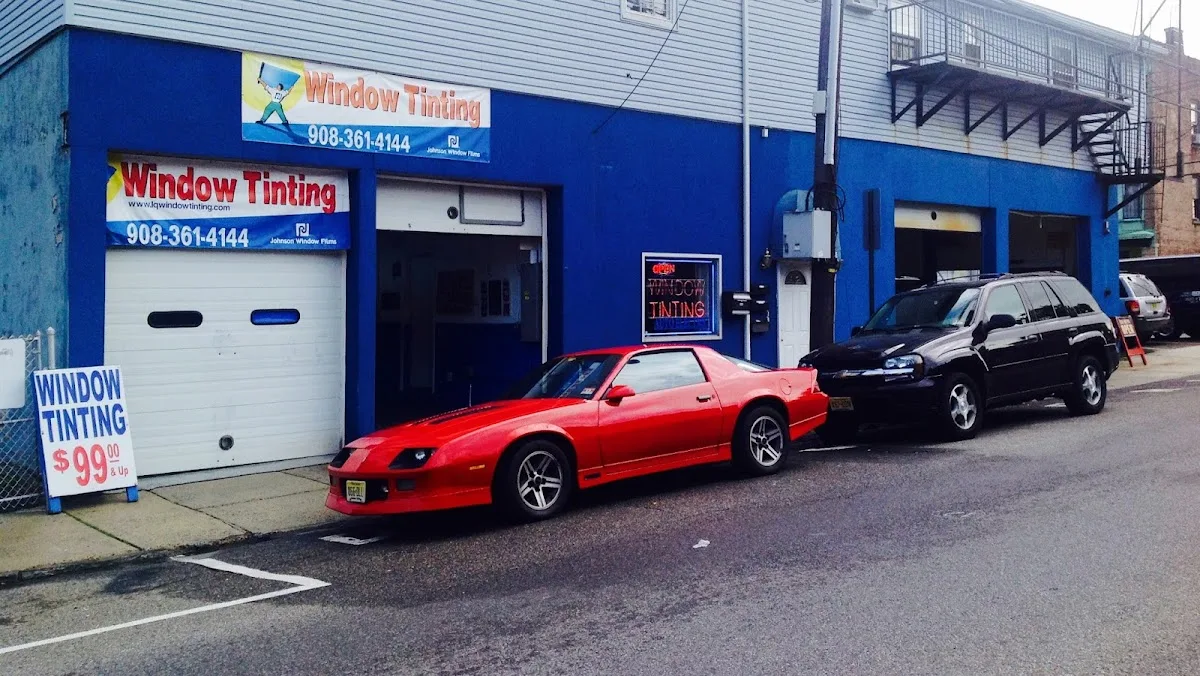
A useful car window tint quote describes a defined job, not just a package name and a dollar figure. It should identify the glass being covered, the film option and shade, and the total price for that work. Those details let you tell whether two offers describe the same installation before you weigh cost or appearance.
Define exactly which glass is included
Ask the quote to name the panes, because labels such as “full car” can be interpreted differently. A vehicle may have front door glass, rear door glass, a back window, small quarter windows, and fixed panels. The configuration also varies by body style. Naming the glass turns an ambiguous package into a scope you can check against the vehicle.
Separate the main package from optional areas. A windshield strip and a sunroof, for example, may be treated as add-ons rather than part of a standard package. If the quote lists them separately, you can see the cost of the base coverage and decide whether those areas belong in the job. Do not assume that a familiar package label includes every pane you have in mind.
Vehicle details help make that scope precise. Provide the year, make, model, and body style when requesting an offer; two versions of the same model can have different window layouts. If you are looking at a written quote, compare its pane list with the actual glass on your vehicle before using the listed total as a point of comparison.
Identify the film, not just the category
A film label such as “ceramic” describes a broad category, not necessarily the exact product being priced. Ask for the manufacturer and product line, or another specific product identifier, together with the selected shade. This gives you a way to distinguish one quoted option from another and to match the offer to the product information supplied by the seller.
Shade and product identity answer different questions. The shade communicates the intended visible appearance; the product identifier tells you which film option the quote refers to. A quote that specifies only one of these leaves an important part of the selection unclear. When comparing options, look for a product sheet or sample associated with the named film rather than treating a category word as a complete specification.
Film information also makes it easier to keep the estimate and your choice aligned. Say you compare a lighter film from one offer with a darker option from another: even if both are described with the same category label, they are not necessarily like-for-like choices. Record the product and shade beside the quoted coverage so the price comparison stays attached to the option you actually want.
Find the total installed price and possible extras
The amount should be the installed price for the exact panes listed, not an unexplained starting figure. Check whether installation is included and whether the displayed total applies to your vehicle and selected film. A base figure can be useful, but only once you know what work it buys.
Existing aftermarket film can create a separate scope item if it needs to be removed. Have removal shown as its own line rather than blending it invisibly into a package price. The same approach works for optional glass: separate line items distinguish work needed for the requested coverage from additions you may choose to accept or decline.
A clear price breakdown is not about requesting unnecessary paperwork. It lets you compare the same scope and understand why totals differ. One quote may include an additional pane or removal, while another may price only new film on a smaller set of windows. Read each line beside the pane list and selected product, not in isolation.
Make different offers comparable before choosing
Put the essential terms next to one another before deciding that one offer is cheaper. Use the same vehicle information and request the same panes, film category or specific option, and shade. Then compare what each total includes. For a local option, see LQ Window Tinting.
A compact comparison can expose missing differences:
| Quote detail | What to match | Why it matters |
|---|---|---|
| Coverage | The same named panes and optional areas | Different glass coverage changes the job. |
| Film choice | Product identifier and shade | Category labels alone may describe unlike options. |
| Price | Installed total, removal, and add-ons | Separate scope from optional work. |
Imagine one offer includes the small quarter windows while another excludes them. The first total may be higher simply because it covers more glass. Ask for a revised figure using matching coverage, or compare the same base panes and treat the quarters as a separate option in both offers. The revised comparison answers a more useful question than “Which number is lower?”
The strongest quote is the one you can map to a specific vehicle, set of windows, film choice, and installed total. When those elements line up, differences in price become easier to evaluate without mistaking a narrower package for a better value.