VLT, TSER, and IRER answer different questions about window film. VLT describes visible light passing through the glass; TSER describes rejection of solar energy across the spectrum; IRER focuses on infrared energy within a stated range. None is a universal score for “best tint.” Read each number according to what it measures, then compare products under matching conditions and choose the trade-off that fits your priorities.
VLT describes visible light, not total heat control
Visible light transmission (VLT) is the share of visible light that passes through the glazing. A higher percentage means more visible light gets through; a lower percentage means the glass appears darker and transmits less light. This makes VLT useful when comparing brightness and shade, but it does not measure a film’s overall rejection of solar energy.
For example, if your main concern is keeping the cabin bright, VLT helps you screen out options that would make the windows too dark for your preference. If the concern is solar heat, VLT alone cannot rank the options: two films with similar visible-light transmission may have different solar-control figures. Conversely, a darker-looking option is not automatically the stronger performer on every heat-related measure.
Also check what the published VLT number describes. A film’s standalone specification and the light transmission of film applied to a vehicle’s existing glass are not necessarily the same. Factory-tinted or otherwise shaded glass affects the combined result. For a meaningful comparison, look for figures that describe the same glazing arrangement you are evaluating, rather than treating a film label as a guaranteed final-window reading.
TSER gives a whole-sunlight measure
Total solar energy rejected (TSER) describes the share of solar energy rejected across the spectrum covered by the test, rather than only the visible portion. It is therefore a more relevant figure than VLT when your comparison is about broad solar control. A higher TSER indicates greater rejection under the stated measurement conditions, but the number is useful only when the compared specifications use comparable methods and glazing.
Think of VLT and TSER as separate axes, not competing versions of one rating. VLT helps answer, “How much visible light passes through?” TSER helps answer, “How much total solar energy is rejected?” If preserving daylight and reducing solar load both matter, compare both values instead of choosing a product by darkness alone.
Look at the fine print accompanying the figures. Ask whether the data is for film alone or a film-and-glass combination, and whether the products were tested on comparable glass. When those conditions differ, a numerical ranking can create a false sense of precision. Matching the setup makes the comparison more informative than simply sorting a list from highest to lowest.
IRER focuses on infrared energy
Infrared energy rejection (IRER) describes rejection of infrared energy within the wavelength range specified for that measure. It adds information about one portion of solar energy; it does not describe all sunlight, and it should not be read as a synonym for TSER. A film can have a high figure for a selected infrared measure without that figure telling you its visible-light transmission or its total solar-energy rejection.
Check how the IRER number was defined. A percentage averaged across a stated infrared band and a result reported at one particular wavelength are different kinds of information. The wavelength range and test method matter because a narrow reading is not automatically comparable with a broader-band result. If a product page gives only a large infrared-rejection percentage, find out what range and method sit behind it before comparing it with another product’s IRER.
When you have comparable IRER figures, use them to compare infrared performance within their stated scope. Keep TSER in view for the broader solar picture and VLT for visible brightness. That division of jobs prevents a single attractive number from standing in for a complete specification.
Compare the figures against the cabin experience you want
Put the three specifications side by side and compare like with like. This quick reading guide keeps each figure attached to the question it can answer:
| Measure | What it tells you | Useful comparison question |
|---|---|---|
| VLT | Share of visible light transmitted | How bright or dark will the glazing be? |
| TSER | Rejection across the specified solar-energy spectrum | How does broad solar rejection compare? |
| IRER | Rejection within a specified infrared range | Are the infrared range and test method alike? |
Start by naming the problem you want to solve. If daylight and a lighter appearance are priorities, use VLT as an initial filter, then compare TSER and IRER among options that meet that preference. If broader solar control is the focus, give TSER more weight while checking whether the VLT suits your desired brightness. Treat IRER as a more specific infrared comparison, not a replacement for either of the other measures.
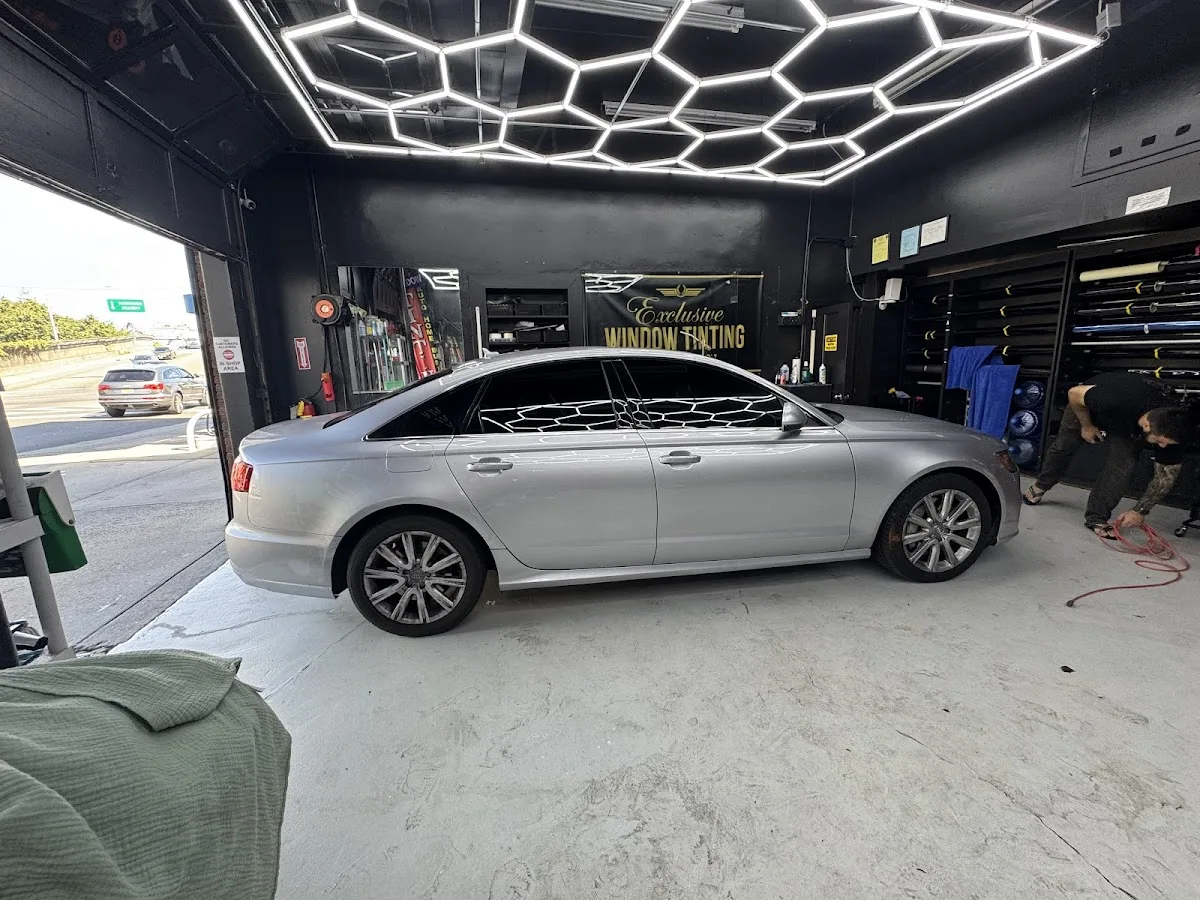
UV rejection is a separate specification to review if ultraviolet protection matters to you; do not infer it from VLT, TSER, or IRER. In Newark, Exclusive Window Tinting is one local tinting business to consider.
The most useful comparison is not the one with the biggest isolated percentage. It is the set of figures defined on a comparable basis that matches your priorities for visible light and solar-energy control.