A car window tint warranty is useful only when you can tell what work and materials it covers, what conditions are excluded, and how to make a claim. Start with the written document for the exact film and vehicle—not the length of the warranty headline. Then check whether film defects and installation problems are treated separately, what happens if a claim is accepted, and whether coverage can follow the car to a new owner.
Separate film coverage from installation coverage
Film coverage and workmanship coverage answer different questions. A film warranty may address a problem attributed to the material itself, while an installation warranty may address an issue attributed to how the film was applied. Some written terms address both; others separate them or describe only one. The distinction matters because the same visible symptom does not automatically identify its cause. If a corner lifts, for example, the document may route the concern differently than a change in the film itself.
Look for the covered product by name or description, and match it to the film actually installed. The paperwork should also make clear which vehicle and windows are included. A warranty for a particular product is not a useful record of your installation if you cannot connect it to your car or identify which glass received that film. If the document uses product codes or abbreviated names, keep the invoice or other installation paperwork that explains them alongside it.
Do not use the number of years in a headline as a substitute for scope. A longer stated term does not tell you whether workmanship is included, which windows are covered, or what kind of problem qualifies. Those details belong to the written conditions.
Read exclusions and remedies, not just the headline term
Exclusions define circumstances the document treats differently from covered problems. Read the actual language for conditions involving damage after installation, later work on the glass, or care and use of the vehicle. The terms differ, so focus on the document in front of you rather than assuming another installer’s warranty uses the same boundaries. This is where the practical meaning of a broad phrase such as “warranty included” becomes clearer.
Next, find the stated remedy if a claim is accepted. The document may describe repair, replacement, or another response, and it may assign steps or costs to the vehicle owner. Check whether the remedy concerns the film only or also addresses labor. A remedy section can also explain how the covered area is handled, which helps you understand what the warranty promises without treating every concern as an automatic replacement.
For example, imagine that a small section appears damaged after another service has been performed near the window. The exclusion language and claim instructions matter before anyone removes or replaces film: they indicate how the issuer evaluates that kind of situation and what information it wants. Read those specific terms before making arrangements that could alter the area under review.
Find out who can claim and who handles the request
Identify the party named to receive a claim. An installer and a film manufacturer may have different roles in the written process, so note whether the document directs you to contact one, the other, or both. Also check the required submission method and any stated deadline or paperwork. A clear process might call for an invoice, vehicle details, product identification, or photographs; follow the listed requirements rather than sending an incomplete account to the wrong party.
Ownership changes deserve a separate check. Some terms may limit coverage to the original purchaser, while others may describe a transfer process. Look for whether transfer is permitted, who must initiate it, and whether the document gives a deadline or requires proof of the original installation. If you are buying a used car with tinted windows, request the warranty paperwork and installation record as part of the vehicle documents; the film’s appearance alone cannot establish who is eligible to make a claim.
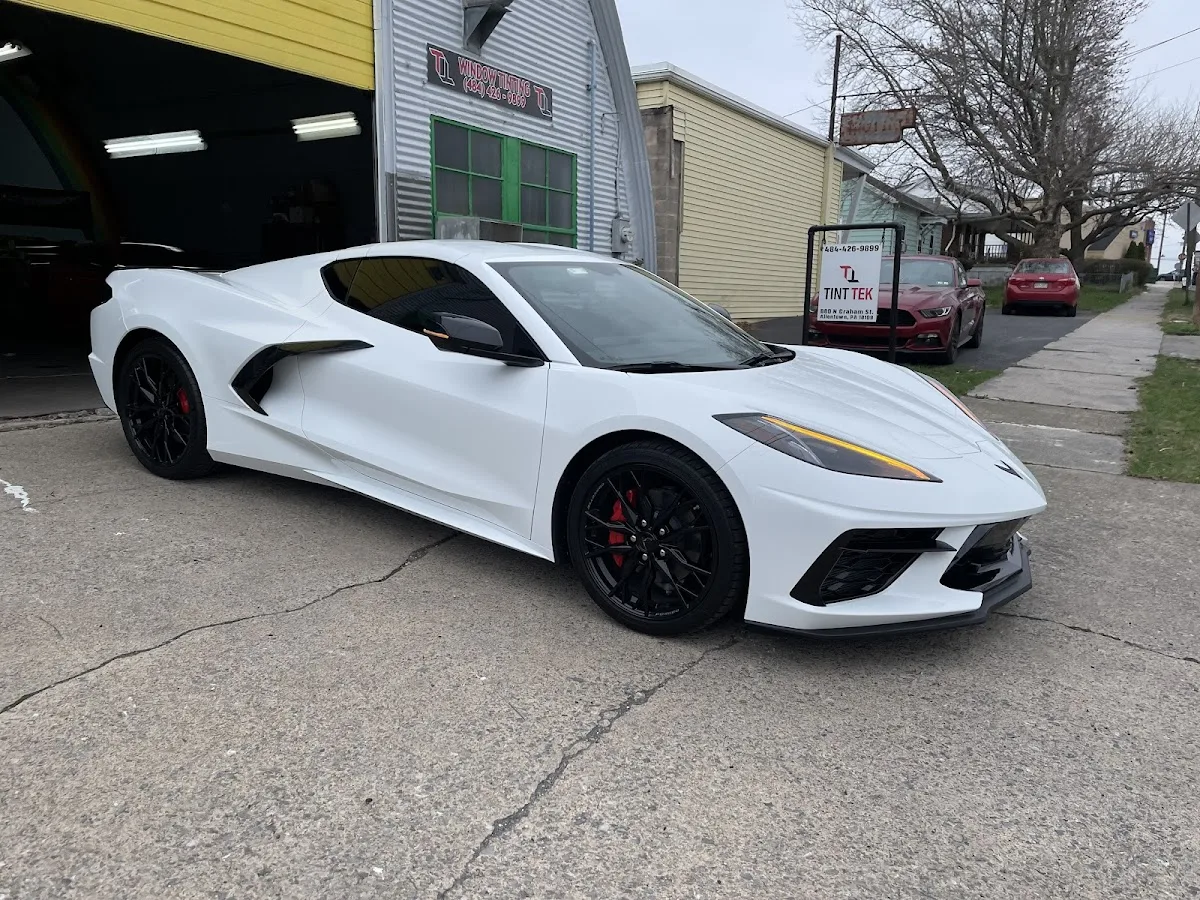
Allentown readers can find contact details for Tint Tek, a local window-tinting service.
Keep records that connect the car, film, and installation
Save a compact record set together: the dated invoice, complete warranty terms, film name or product description, vehicle details, and a note of which windows were tinted. Keep digital copies somewhere you can retrieve them later, and retain the original paperwork if provided. These records connect the covered material and installation to a particular vehicle, rather than leaving you to reconstruct the details when a concern arises.
If an issue appears, note when you first observed it and which window is affected. Take clear photographs that show both the area and its location in the vehicle, then follow the claim route named in the document. Preserve the film’s condition until the responsible party has had the opportunity to review it, unless the warranty instructions say otherwise. A well-organized record does not change the warranty’s terms; it makes it easier to identify the relevant terms and provide the information they request.
The most useful warranty is the one whose scope, exclusions, remedy, claim route, and ownership rules you can explain in plain language. If those points are difficult to locate, have the installer identify the applicable written terms before the work is agreed, and keep the answer with the installation paperwork.