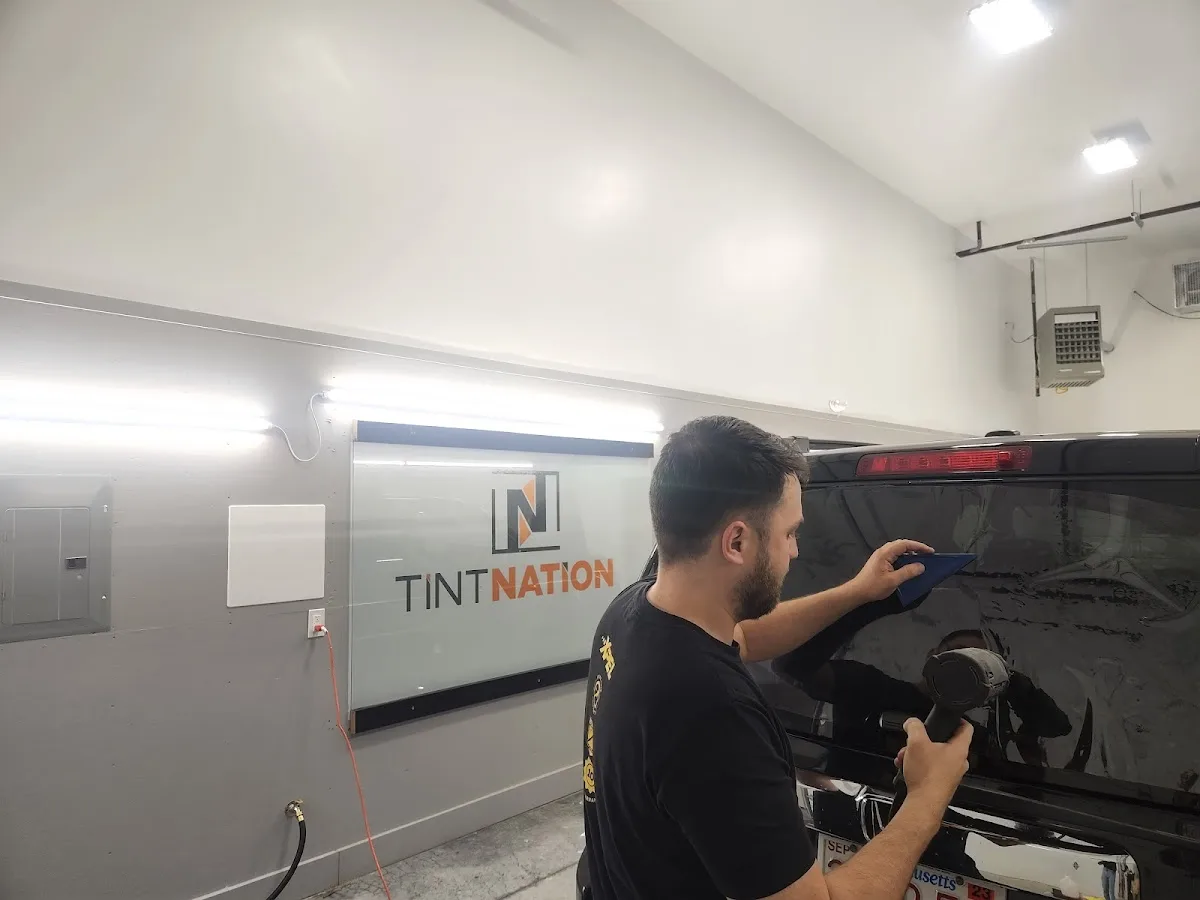
Choosing a tint or paint protection film installer is rarely just about “how dark.” With Tintnation in Shrewsbury, MA, you’ll get the most confidence from a conversation that starts with scope (which surfaces are actually included), then moves to film category (window tint vs. paint protection film), and ends with warranty expectations you can understand before any work begins.
In public signals, Tintnation lists a Shrewsbury address at 5 Pond St #3, Shrewsbury, MA 01545 and a contact phone at +1 774-289-0221, plus an official site at http://www.tint-nation.com/. Use those details to verify the current quote request path and to confirm the exact scope for your vehicle.
1) Confirm the quote scope before you compare film options
Many “window tint” quotes drift because customers assume the same thing the shop assumes. Before discussing film types, confirm which glass surfaces are included. Ask whether the quote covers front and rear side windows, the windshield strip (if applicable), and whether any exceptions apply (for example, factory sensors, special glass, or parts that require separate handling).
Then clarify what “paint protection” means in your request. If you’re asking about PPF, specify the coverage area you want (common examples include high-impact zones like the front bumper, hood, and mirrors). A clear scope prevents a price that looks comparable on paper but becomes frustrating after installation day.
2) Separate window tint goals from paint protection goals
Window tint and paint protection film solve different problems, so the best decision depends on your goal. On the vehicle side, window film is typically discussed in terms of privacy, infrared heat reduction, glare control, and UV protection. Paint protection film is usually discussed as a physical shield for painted surfaces against chips, scratches, and road debris.
Based on Tintnation’s public website messaging, the business presents itself as specializing in window tinting along with paint protection film and ceramic coating services, and it references using XPEL film backed by a lifetime warranty in its general claims. Because warranty language can vary by product and install terms, don’t assume the “lifetime” part applies the same way to every surface or every scenario—ask what’s included and what is excluded for your exact job.
3) Match film category to your daily driving reality
If your main complaint is heat buildup and glare, focus your questions on the window film category and how it will perform in your real conditions (commute length, sun exposure, and whether you park outside). If your priority is preserving the paint you see every day, shift attention to PPF coverage strategy: what parts are protected, how edges are finished, and how the shop approaches contamination control during installation.
A helpful approach is to bring two priorities to the shop—one “comfort/visibility” goal and one “paint preservation” goal. Then ask the installer to explain which film category matches each goal and why. You’re trying to avoid a situation where one product is selected because it’s popular, not because it solves your actual use case.
Ask for specific expectations about curing and handling
Even the right film can look wrong if it’s handled too aggressively during early curing. Ask what to do (and what not to do) for the first days after installation. For drivers, this usually includes how soon you can wash the vehicle, whether there are limits on rolling windows or touching edges, and what symptoms are normal while the film settles.
4) Warranty clarity: what to confirm before work starts
Warranty questions should be plain and procedural. Ask the shop to describe (1) what the warranty covers, (2) the documentation you must keep, (3) how claims are submitted, and (4) any exclusions that commonly apply to tint or PPF jobs.
Also ask how the shop handles surface-related issues after installation—especially for jobs that depend on correct prep and proper curing. If you can’t get a straightforward explanation, that’s a signal to slow down and seek clarity before authorizing work.
For drivers comparing Tintnation in Shrewsbury, the best next step is to treat the first phone call as a scope and expectations audit: confirm address and contact path, lock the surfaces included, choose film category based on your real driving goals, and request warranty terms you can interpret without guesswork. That’s the fastest way to turn “tint and protection” marketing into a decision you feel comfortable backing with your vehicle.