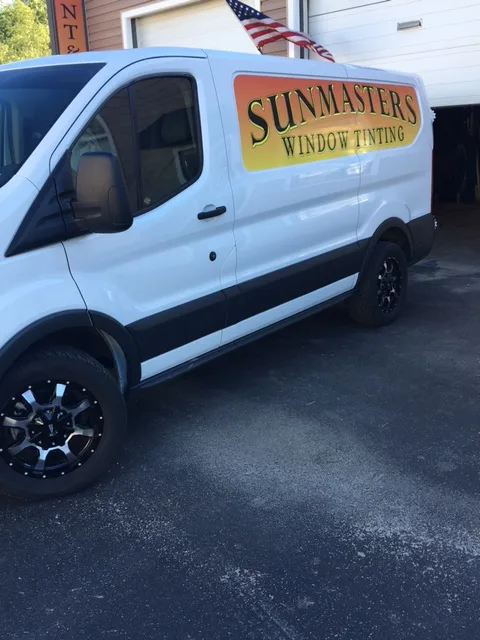
Choosing window film is easier when the first conversation identifies the glass, the problem, and the intended use. Sunmasters presents itself as a window-film specialist serving vehicles, homes, businesses, and boats, so a customer should define the project before asking for a recommendation. The public listing places the business at 314 Warren Ave Suite B, Portland, ME 04103, United States, which gives local customers a concrete starting point for confirming access, scheduling, and the right service category.
The project type should come before the film label
“Window tint” can describe very different work. A vehicle owner may be focused on glare, cabin comfort, privacy, or ultraviolet exposure. A homeowner or business operator may instead be considering large panes, uneven sun exposure, interior fading, or a more comfortable work area. Marine glass adds another set of practical questions. Sunmasters’ official website lists vehicle, home, business, and boat installations among its project scope, but that range does not mean every film or installation approach fits every surface.
A useful first inquiry should name the property or vehicle, the glass involved, the main concern, and whether appearance or performance is the priority. It should also ask whether the proposed material is intended for that exact glass type. This is more informative than requesting the darkest shade or simply asking for “the best film.”
Sunmasters’ public history is relevant, but it is not a substitute for a written scope
The company’s official website says Sunmasters was established in 1996 and describes it as Maine’s first window film company focused solely on window film when it started. The same page mentions a partnership with Saint-Gobain and Solar Gard and says the facility is equipped for installations involving vehicles, homes, businesses, and boats. These statements help a prospective customer understand how the business positions its experience and product relationships.
They do not, by themselves, answer which film would be used for a particular project, what preparation is included, or what warranty terms apply. Customers should request the proposed brand and product line in writing, along with the shade or visible-light option, the surfaces covered, installation exclusions, aftercare instructions, and warranty limitations. If a customer is comparing ceramic and carbon terminology, the important question is not the label alone but the exact product and documented performance information.
Location and contact details can make the first call more efficient
For a Portland inquiry, the listed address is 314 Warren Ave Suite B, Portland, ME 04103, United States. Before driving over, a customer should confirm that the address, entrance, and appointment process remain current. The listed phone number is +1 207-619-7447, and the official website is http://www.sunmastertinting.com/. Those details provide two direct ways to ask about current availability, project fit, and what information the installer needs before quoting the work.
A prepared caller can describe the vehicle year and model, the number and type of windows, or the building’s glass dimensions and access conditions. For a boat, it is useful to mention whether the glass is curved, difficult to reach, or exposed to a demanding environment. Sharing photographs or measurements may help the business determine whether an on-site assessment or additional discussion is needed, but customers should confirm what the business actually requests.
Film performance claims need clear boundaries
Heat reduction, glare control, ultraviolet protection, appearance, and privacy are related but separate goals. A film may be selected for one primary reason while creating trade-offs in visible light, reflectivity, color, or nighttime visibility. Rather than treating a broad performance phrase as a guarantee, the customer should ask for the manufacturer’s data for the exact product and glass combination. It is also sensible to ask how the installer explains curing, cleaning, edge visibility, and the possibility of cosmetic changes after installation.
Legal requirements can vary by application and location, so a customer should not assume that a recommended shade is automatically compliant. Ask which rules apply to the specific vehicle or property and confirm the answer independently when compliance matters. A written estimate should separate film, labor, preparation, taxes or additional charges, and any conditions that could change the scope.
A good decision comes from matching the inquiry to the work
Sunmasters is a more useful option to evaluate when the customer treats the appointment as a project discussion rather than a quick product purchase. The official site’s broad service list and stated window-film focus make it reasonable to ask about automotive, residential, commercial, or marine fit, while the missing details in a general listing make direct confirmation important. The strongest next step is a specific message that identifies the glass, the goal, the preferred timing, and the questions about material, installation, warranty, and aftercare. That approach gives both sides a clearer basis for deciding whether the proposed work matches the need.