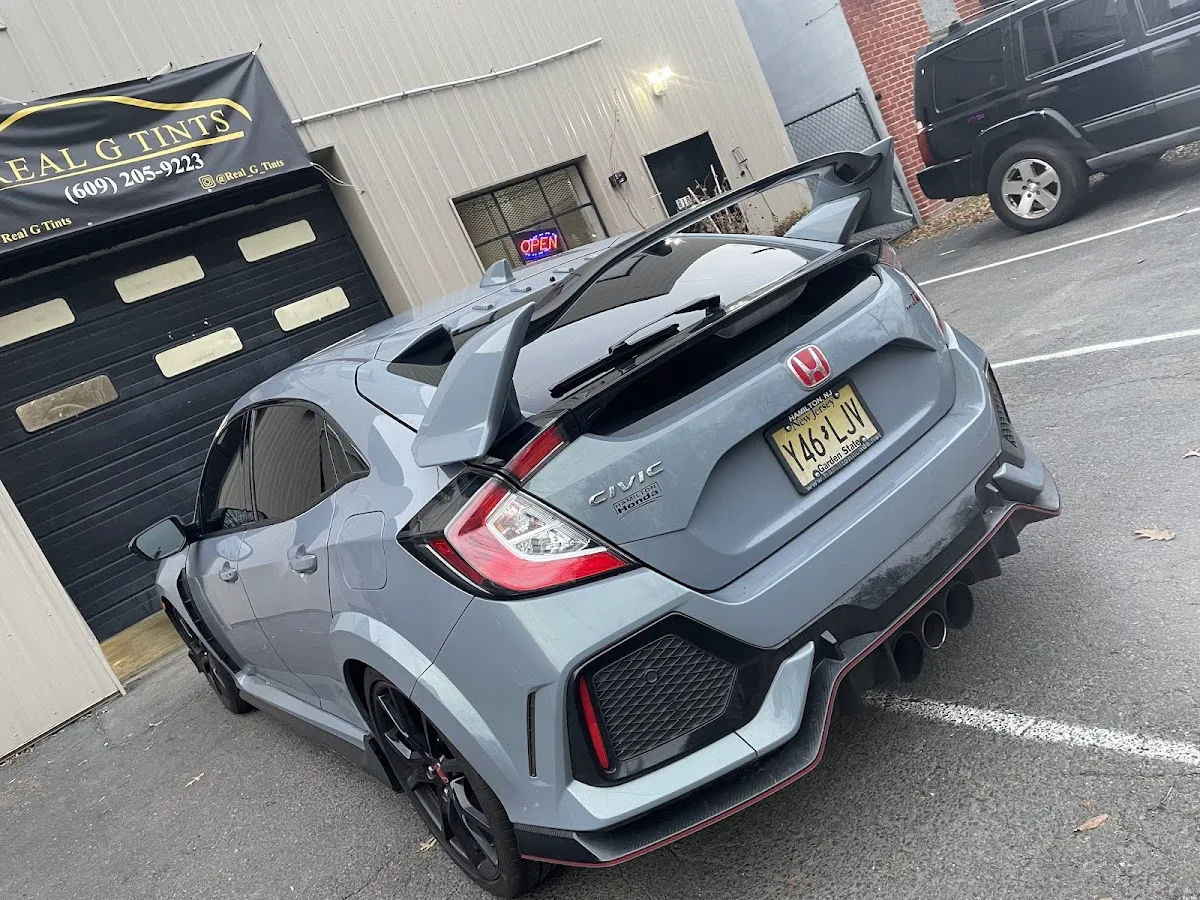
Choosing automotive window tint involves more than picking a darkness percentage. Drivers may be weighing appearance, privacy, glare, heat, or the effect of sunlight on the vehicle interior—and those goals do not always point to the same film. Real G Tints describes its automotive options as ranging from clear to as dark as 5 percent, while cautioning that darker is not always better. Treat that range as a starting point for a vehicle-specific discussion, not a promise that every option suits every pane or vehicle.
Match the shade to the result you want
Start by identifying the main reason for tinting. A driver seeking a subtle appearance may compare clear or lighter films; someone prioritizing privacy may be more interested in darker shades. If glare, cabin comfort, or interior protection matters most, appearance alone will not reveal how a film performs. The company’s website says a lighter film can provide the same UV protection and almost the same heat rejection as a darker choice. That is a general description from the business, not a guarantee for every product or installation.
It helps to describe the desired result before settling on a percentage. A shade label describes darkness, but it does not by itself establish how much heat or ultraviolet radiation a particular film blocks. Compare the product proposed for the vehicle with its own documentation, and distinguish the desired appearance from performance expectations. This makes the choice less dependent on a single number or on assumptions about how dark a film needs to be.
Define the vehicle and glass in the quote
Give the shop the vehicle’s year, make, and model, then specify which panes are part of the job. “All windows” can be unclear: owners may mean the side glass and rear glass, or may also be asking about a windshield. Listing each intended pane makes it easier to compare estimates on the same scope. Mention existing tint if there is any, since removal or other additional work should not be assumed to be included.
Real G Tints identifies GEO Shield automotive window films on its website. For a useful comparison, an estimate should identify the proposed film and shade alongside the panes being treated, the price, and any stated terms. If the proposed scope changes after the vehicle details are discussed, compare the updated estimate rather than relying on an earlier, less specific figure. A written scope also helps distinguish a change in product from a change in the work itself.
Read performance claims as product-specific information
The company’s website advertises UV protection of up to 99 percent and describes heat reduction, glare reduction, and interior protection among the benefits of its automotive films. Those are the website’s broad claims; they do not establish the result of every film on every vehicle. When performance matters to the decision, use documentation for the particular product being considered. Check what a stated figure measures and whether it applies to that film, rather than treating a headline percentage as a complete measure of comfort or protection.
Keep separate the different outcomes that are sometimes bundled into the word “performance.” A product’s UV figure is not automatically a measure of heat rejection, visible light, or glare. Decide which outcome matters most, then compare information relevant to that outcome. A driver who mainly wants a particular look may weigh the options differently from someone focused on sun exposure or glare, even when both are choosing between similar shades.
Consider visibility and check applicable tint rules
Before choosing a shade, consider how the vehicle is used, including night driving and the amount of factory tint already present. The same added film may look or feel different across panes, so consider the intended glass rather than treating the vehicle as one uniform surface. A darker option is not necessarily the most suitable choice simply because it is available.
Tint requirements depend on the applicable jurisdiction and vehicle details. This guide does not determine whether a particular film or shade is lawful. Check current requirements with an appropriate official source before choosing, and make sure the proposed shade is described clearly enough to compare with those rules. Do not treat a darkness label or an informal assurance as a legal determination.
Compare estimates on the same terms
Two prices are only useful to compare when they cover substantially the same vehicle glass, film, and work. Before deciding, make sure the estimate states the product and shade, the panes included, the price, and any terms that affect the job. If warranty coverage, care instructions, or restrictions matter to you, review the terms that apply to the specific film and work instead of inferring them from general marketing language.
Real G Tints lists its address as 318 4th St, Ewing Township, NJ 08638, and its phone number as +1 609-205-9223; its website describes the shop as serving Mercer County. Drivers considering the business can use those details to discuss a specific vehicle and obtain current information. A clear choice comes from matching the desired appearance and practical priorities to the identified glass, product documentation, and written estimate—not from choosing the darkest shade by default.