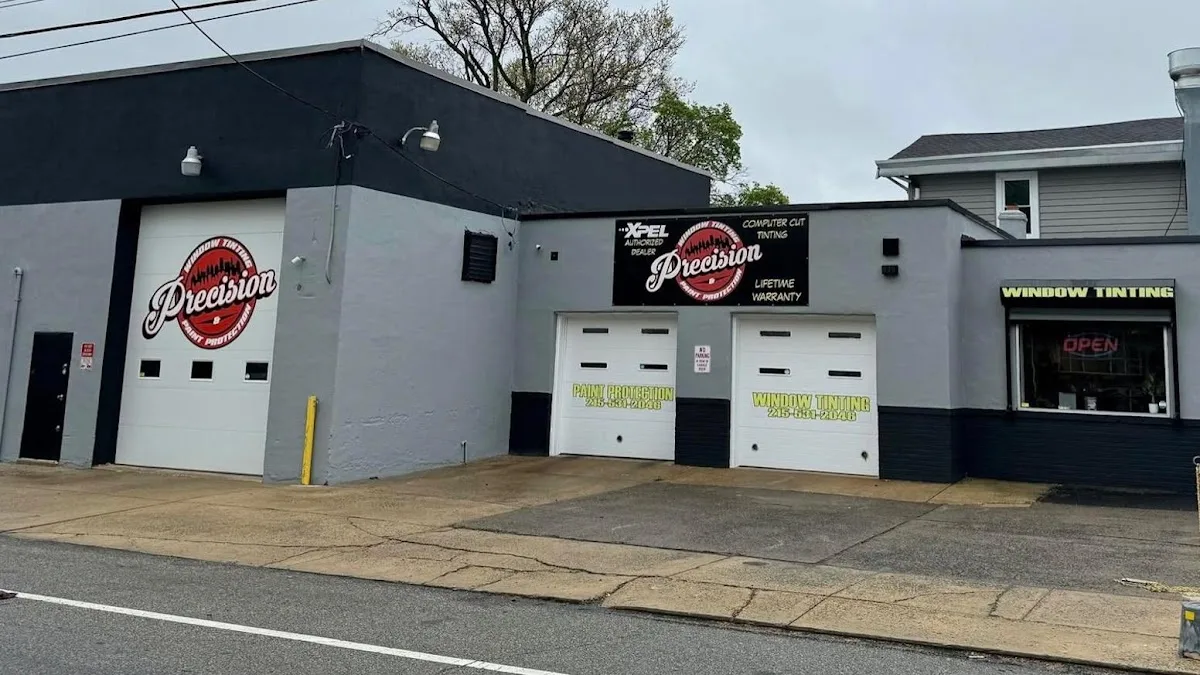
Choosing a window tint installer is easier when the decision starts with the vehicle’s actual problem. A driver dealing with cabin heat may be comparing ceramic film, while another may care more about glare, ultraviolet exposure, appearance, or protection for painted panels. Precision Window Tinting & Paint Protection is listed as a ceramic auto tint installer at 6921 Rising Sun Ave in Philadelphia, so the useful question is not whether a particular package sounds attractive. It is whether the shop’s current materials, scope, and terms match the vehicle and the result the owner wants.
Start with the result, not the darkest shade
“Ceramic tint” describes a product category, not one universal specification. Before treating it as the answer, a vehicle owner should identify whether the priority is reducing solar heat, limiting glare, changing the exterior look, or adding a more comfortable driving environment. Shade, visible-light transmission, construction, and installation coverage can all affect the comparison. The shop’s available listing information references ceramic tint, UV protection, and heat rejection, but it does not provide a complete current film data sheet. A precise quote should therefore identify the proposed film and the windows included rather than relying on the word ceramic alone.
Ask how heat and UV claims will be defined
Heat rejection and UV protection are meaningful topics, but they should be discussed in measurable terms. A buyer can ask whether the installer has manufacturer documentation for the specific film, which performance figures apply to the selected shade, and whether the figures describe the glass-and-film combination or the film by itself. It is also worth asking how the front side windows, rear glass, and windshield will be treated as separate parts of the job. Those questions turn a broad comfort claim into a scope that can be compared with another Philadelphia installer.
Keep window tint and paint protection as separate decisions
The business name and available service signals point to both window tinting and paint protection, including a reference to paint protection film and XPEL in the listing data. These are not interchangeable upgrades. Window film is applied to automotive glass; paint protection film is intended for selected painted or vulnerable exterior areas. A driver may need one, the other, or neither, depending on the vehicle’s use and priorities. If both are being considered, the written estimate should separate film type, covered areas, preparation, labor, timing, exclusions, and aftercare. That makes it easier to understand what each part of the project is meant to do.
Philadelphia location makes the first inquiry concrete
Precision Window Tinting & Paint Protection is shown at 6921 Rising Sun Ave, Philadelphia, PA 19111, United States. That address gives a local vehicle owner a practical starting point for checking travel time and confirming that the current location still handles the desired work. The published phone is +1 215-531-2046, and the listed official website is precisionwindowtintingpa.com. Because the available public evidence is limited, the owner should confirm current opening arrangements, appointment availability, and whether the shop accepts the vehicle type before making the trip.
What the estimate should settle before installation
A useful estimate should do more than name a film tier. It should state the brand and product line, the shade or visible-light-transmission option, the exact windows or exterior panels covered, and the total price. For tint, ask how existing film will be handled, whether any glass condition could change the preparation, and what curing or aftercare instructions will be supplied. For paint protection film, ask which panels are included and whether edges, seams, or later maintenance are addressed in the written terms.
The listing data also references a premium film brand and a lifetime warranty, but those points should be treated as items to verify rather than assumed terms. A careful buyer can ask for the current warranty document, the issuing party, what is excluded, how claims are handled, and whether the warranty applies to the exact product and installer. The same approach is useful for any statement about legal limits: the shop can explain its process, but the owner should confirm the rules that apply to the vehicle and intended windows.
When Precision may fit the project
This Philadelphia option may deserve a direct comparison when a vehicle owner wants to discuss ceramic tint and paint-protection choices with one automotive-focused provider. It is a better fit when the shop can answer product, coverage, warranty, and scheduling questions in writing. If the owner only needs a simple visual change, has a tightly defined compliance concern, or is comparing a different film technology, another quote may still be useful. The strongest decision is based on the exact material and scope—not the shop name, a package label, or an unverified performance promise.
Before contacting Precision, the owner can note the vehicle year, make, model, current film condition, preferred result, and any panels needing paint protection. Calling +1 215-531-2046 or checking the official website can then confirm the current service scope and terms for the 6921 Rising Sun Ave location. That short preparation creates a clearer basis for comparing ceramic tint, heat-control expectations, and any separate paint-film work.