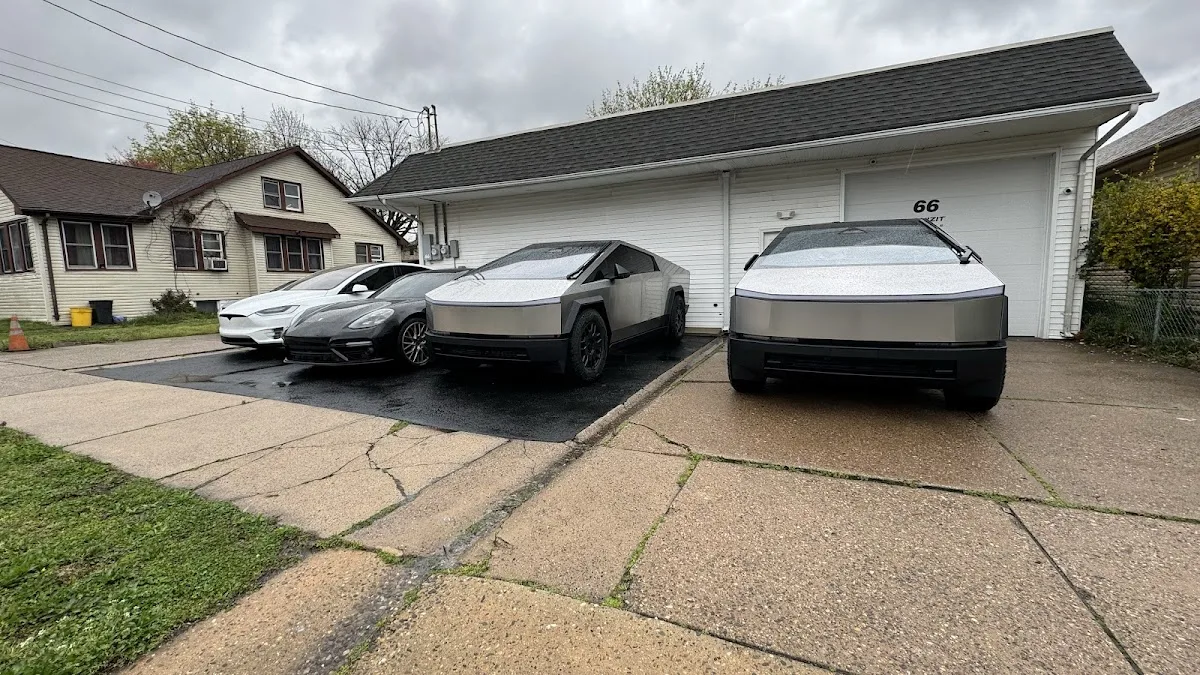
Choose paint protection film (PPF) when preserving the vehicle’s existing appearance while adding a layer against some surface wear is the priority. Choose a vinyl wrap when the main goal is a different color, texture, or finish. The two materials cover paint, but they are designed around different outcomes: protection versus styling. Neither can repair paint underneath it or prevent every kind of damage.
What PPF is designed to protect against
Paint protection film is a clear, flexible layer installed over painted body panels. It acts as a sacrificial surface: road debris and everyday abrasion meet the film first rather than directly contacting the paint. That can help reduce certain kinds of surface damage, particularly in the specific areas covered. It does not make the panel invulnerable. A forceful impact, collision, deep scrape, or other damage beyond the film’s capacity can still affect the paint.
Think about where the vehicle encounters wear. A driver who regularly travels on roads with loose gravel may care most about vulnerable forward-facing panels, while someone who parks in a tight garage may focus on a different set of surfaces. Those examples point to a planning question, not a promise that film will stop every chip or scrape: which painted areas are most exposed in your routine?
What a vinyl wrap is designed to change
A vinyl wrap is used chiefly to alter a vehicle’s visible color or finish. Depending on the material and chosen style, the aim may be a new color, a contrasting roof, or a different visual surface such as a matte look. The wrap sits over the paint, so it can change how the vehicle appears without repainting it. Its primary purpose is styling rather than serving as an equivalent barrier to road chips. Color and finish can look different across samples and lighting conditions, so compare the actual color and surface finish you want before choosing. Viewing a sample outdoors as well as in shade can help you judge whether the look suits the vehicle.
In Hamilton Township, XQUIZIT Customs is one local paint protection and tint shop.
Match the material to the job and coverage
Before comparing proposals, decide which result matters and mark the panels that should receive it. Selected-area coverage and broader coverage affect different amounts of paint, so a panel-by-panel scope makes the proposal concrete. Compare like with like: check that each option names the film type and the same panels, rather than relying on labels such as “full” or “partial” alone. For a wrap, also compare the specified color and finish; for PPF, focus on the panels receiving protection. If the scopes differ, the options are not direct comparisons, even when they use the same material. Look at panel edges and seams on sample installations too: the film’s boundaries can remain visible, especially where they cross an exposed surface. A coverage map helps you see where those boundaries will fall before comparing options.
Use these distinctions to organize the choice:
| Priority | Closer fit | What it does not mean |
|---|---|---|
| Reduce some surface wear while keeping the existing look | PPF | Protection from every impact or chip |
| Change color, texture, or visual finish | Vinyl wrap | Equivalent protection against road damage |
| Address a particular set of panels | Either, based on the goal | Uncovered paint receives no film coverage |
Set realistic expectations before installation
Existing scratches, chips, or other surface defects may remain visible beneath a clear film or affect the appearance of a wrap. The condition of the underlying finish therefore matters to the result. A film should not be treated as a way to erase damage that is already present.