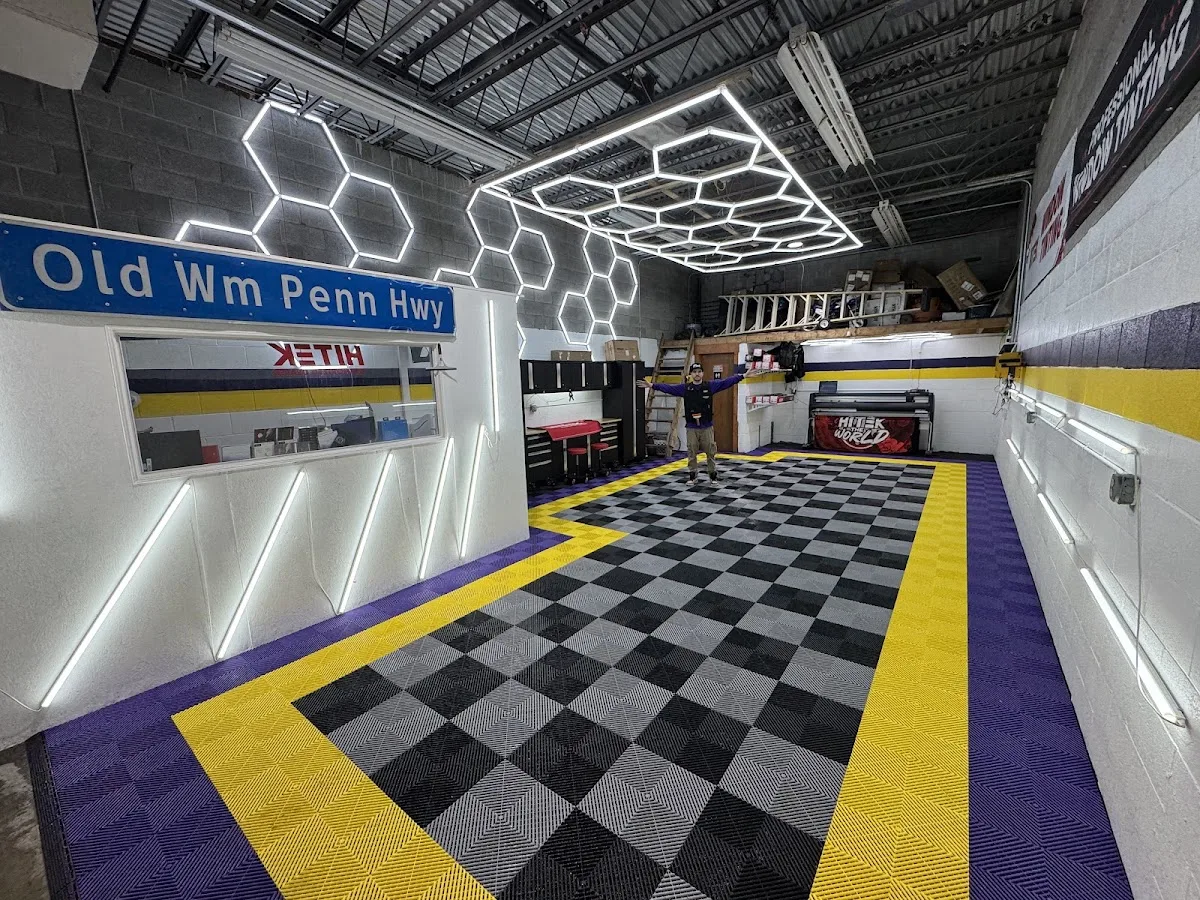
Choosing automotive window film starts with what you want it to do, not simply how dark you want the glass to look. Mr. Tint, a Pittsburgh-area business with its shop described on its website as being in Plum, lists carbon and ceramic window films, multiple shades and performance levels, and computer-cut patterns. Those details offer a useful basis for comparing options, but they do not identify one universally best film. The right comparison depends on your priorities, the windows involved and the product named in the estimate.
Compare carbon and ceramic by your priorities
Mr. Tint lists both carbon and ceramic automotive films. Instead of treating either label as a complete promise about appearance or comfort, use it to begin a product-level comparison. Decide which outcomes matter most to you: a particular look, less glare, reduced heat, or a balance of several goals. Then compare the film and shade options described for your vehicle against those priorities.
The company’s ceramic-tint service information describes XPEL PRIME nano-ceramic film in four coverage packages, compared on heat rejection, UV and glare rather than darkness alone. That description is specific to this ceramic-film offering; it should not be assumed to describe every carbon or ceramic option. When reviewing a ceramic package, keep its product name and coverage together so you can distinguish it from a general category label or another package.
A shade choice and a performance choice are related but not interchangeable. A darker-looking option does not, by itself, tell you how a particular film performs on heat or UV. Mr. Tint’s site presents multiple shades and performance levels, so compare those aspects separately rather than relying on “darkest” or “best” as a complete specification.
Read performance figures as published maximums
Mr. Tint’s homepage advertises up to 99% UV protection and up to 96% infrared heat rejection for automotive window film. The “up to” wording matters: these figures are published maximum claims, not a statement that every film choice or installation reaches both numbers. The homepage excerpt does not identify a specific product, window configuration or test conditions for those figures.
For a useful comparison, look at the product or package actually named in a proposal and whether its supporting information addresses the outcome you care about. Do not compare one estimate’s general headline figure with another estimate’s product-specific description as if they were necessarily equivalent. Keeping the film name, selected shade and any performance documentation together makes the comparison clearer without assuming that a maximum applies to every window.
Make the window coverage understandable
Coverage is a separate decision from film type. Before comparing estimates, note which parts of the vehicle you want included: for example, front side windows, rear side windows and rear glass. If you also want a windshield or sunroof considered, identify it separately. A broad phrase such as “full tint” may not communicate the exact windows included in a particular proposal, so a window-by-window description is more useful for comparing scope.
Mr. Tint says it uses computer-cut patterns for precise fitment. That is a published installation detail, not a description of which windows are included in an individual job. Pair the pattern detail with the vehicle’s year, make and model and the coverage you are considering. If the vehicle already has film, include that information when discussing the project; the supplied service information does not set out a universal removal policy or price.
Consider shade alongside the existing glass
The appearance of a selected film can depend on the glass it is applied to, so a shade label alone may not show exactly how the finished windows will look. If appearance is a major priority, consider the vehicle’s existing glass and compare the proposed shade in that context. Ask to see a sample if one is available, and have the chosen shade identified in the proposal so it is clear which option is being discussed.
Legal requirements are another consideration, distinct from a film’s performance figures or visual description. The supplied Mr. Tint service information lists film choices but does not establish a vehicle-specific legal-compliance determination. Check current Pennsylvania requirements through an authoritative state source for the windows you are considering; do not treat a shade name or general product description as a compliance guarantee.
Check the named warranty and the shop location
Mr. Tint’s homepage advertises a lifetime tint warranty. That is useful to note when comparing options, but the supplied page excerpt does not spell out the terms or establish that identical coverage applies to every product and installation. Compare the written warranty information associated with the film and work being proposed rather than relying on the headline alone.
The business website describes Mr. Tint as based in Plum and gives its shop address as 7993 Saltsburg Rd, Unit I, Plum, PA 15239. The local listing records 7993 Saltsburg Rd Unit I, Pittsburgh, PA 15239. Because the locality is presented differently, use the business’s current directions or contact details to verify the destination before traveling. The website lists +1 412-360-7200.
A strong comparison therefore brings together four concrete details: the film and package, the shade, the windows covered and the written performance or warranty information that applies to that selection. Mr. Tint’s published options provide starting points for that comparison, while the vehicle and chosen scope determine which details are relevant. With those specifics in hand, you can compare proposals on the same basis instead of relying on a category name or a headline figure alone.