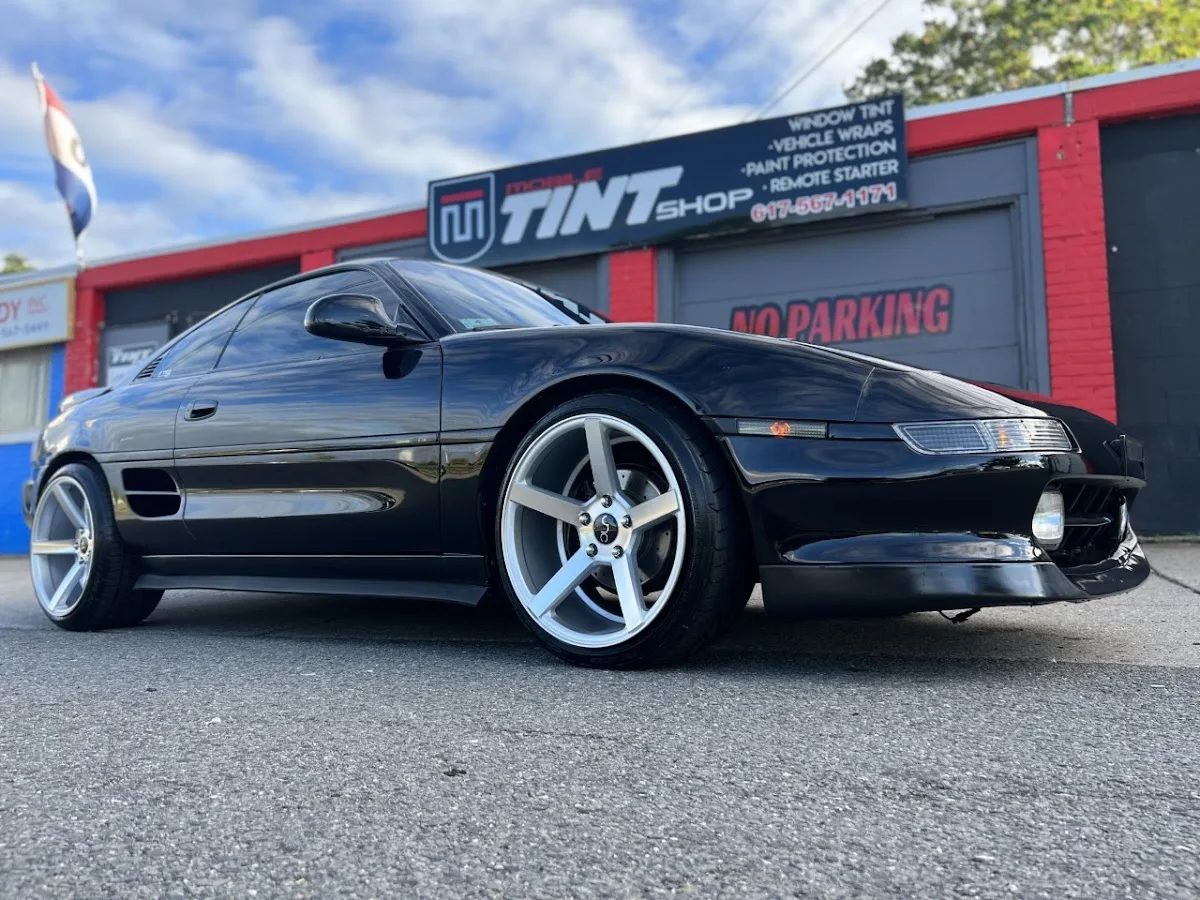
Boston driving can mean strong sun, glare, and lots of road debris. That’s why many owners look at both window tint and paint protection film (PPF): tint helps with heat and glare through the glass, while PPF focuses on protecting surfaces that see direct impacts and wear.
Mobile Tint Shop operates out of 255 Condor St, Boston, MA 02128, and lists services including “Vehicle Tint” and “Paint Protection Film Install.” If you’re considering one or both, the key decision step is not only choosing a category—it’s confirming the coverage scope in writing before you approve any quote.
Use your goal to separate tint from PPF coverage
Start by matching your priorities to the right kind of film work. If your main concern is cabin heat and glare through the glass, window tint is often the first lever. If your priority is reducing the impact of stone chips and frequent wear in specific zones, PPF is typically the better fit because it’s targeted to protective coverage on surfaces.
Mobile Tint Shop’s structure includes both vehicle tinting and paint protection film installs, so bundling can make sense—but only if each part of the package is clearly defined. The goal is a written scope that separates glass-area tint work from paint-area PPF work, so “together” doesn’t turn into “unclear.”
Ask for a written surface list: which windows and which paint areas?
A practical way to prevent misunderstandings is to request a written scope that names included surfaces clearly. Instead of relying on broad language, ask the shop to confirm details such as:
- Which windows are included (for example, front door only versus all side windows).
- Whether the windshield is included or specifically excluded.
- How the shop handles edges, trim areas, and non-standard glass shapes.
For PPF, use the same “name the zones” approach. Ask for the paint areas included in the install scope and how the installer maps your vehicle’s real surfaces. If you already know you want protection in chip-prone regions, make sure those regions are explicitly reflected in the written coverage.
Compare quotes with “glass coverage” and “paint coverage” as separate lines
Tint and PPF are different categories, so treat them as separate verification items when comparing offers. A combined price with fuzzy boundaries can hide what you’re actually getting. Ask for the quote breakdown in a way you can validate: confirm the tint coverage first, then confirm the PPF coverage, using the written scope as the reference point.
Mobile Tint Shop’s listed categories already reflect vehicle tinting and paint protection film installs. Use that structure in your conversation so you can confirm glass coverage and paint coverage as distinct elements you can match to your goals.
Translate marketing into install details you can check
Service descriptions can sound similar across shops, so anchor the discussion in what is being installed and where. Instead of accepting broad claims, ask for translation from intent to coverage. The scope is easier to verify when the shop can answer questions like:
- Which film is recommended for your stated goal (heat/glare control for tint, surface protection for PPF).
- What’s included in the package versus what is an add-on.
- How the shop verifies placement and fit before installation.
To make this faster, bring concrete priorities. For example, if you want reduced cabin heat on sunny drives or protection for front edges that tend to take chips, ask the shop to map those priorities to the exact windows and paint zones they propose.
Re-check scope again when scheduling, then again before approval
Mobile Tint Shop provides key reference points you can use during scheduling: the address at 255 Condor St, Boston, MA 02128 and a direct phone number, +1 617-567-1171. Use those contact points to re-check that your tint coverage and PPF coverage details are still consistent—especially if you’re combining both services.
When your appointment wraps up and you receive a written scope, don’t treat it as a formality. Confirm the final document matches your goals: tint scope should align with heat and glare reduction through the glass, while PPF scope should reflect chip-prone surfaces for impact protection.
By verifying the exact windows and paint zones in the final written scope, you can compare like-for-like and approve the work based on coverage—not assumptions.