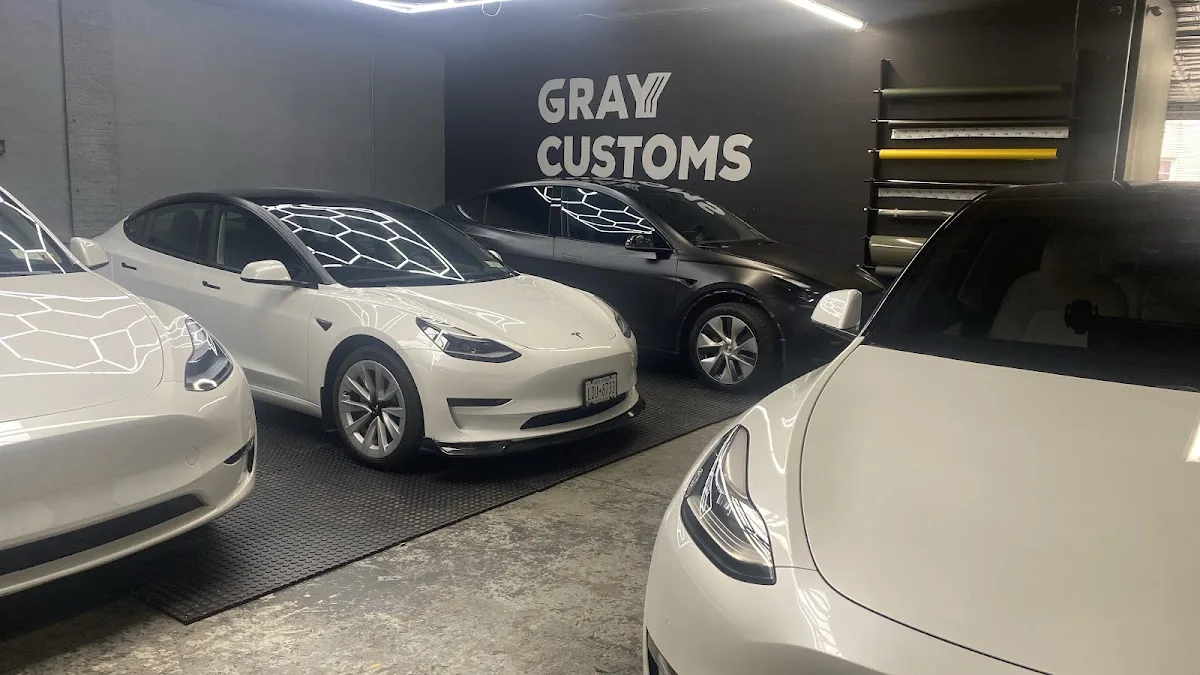
Window tinting choices can look simple from the outside—until you’re staring at a quote that doesn’t explain what film is actually going on your vehicle. For drivers in Glendale, Queens, Grayy Customs LLC lists window tinting among its auto styling services, along with wraps and coating work.
To make sure your final install matches your expectations (and your night-driving visibility goals), use this decision-focused approach when you contact the shop at 69-09 Cooper Ave, Glendale, NY 11385 or call +1 929-363-4757. Their official site is https://grayycustoms2.com/, and it also emphasizes careful, time-intensive styling work—an important cue that the install process should be discussed clearly before you approve anything.
Start by pinning down the exact film tier (not just “tint”)
When a provider says “ceramic,” “carbon,” or “premium tint,” ask what that means for your vehicle. The decision you’re really making is whether the film tier you choose targets your real priorities: heat reduction, glare control, appearance, and how consistently it performs over time.
In the first call, ask them to confirm the specific category and product line they will install on each window type (front doors, rear doors, and rear glass where applicable). If they can’t describe the film clearly, that’s a red flag—because film type affects both day comfort and nighttime visibility.
Verify the install workflow protects adhesion (prep is where quality shows)
Most tint complaints aren’t about the idea of tinting—they’re about what happens during installation. For a shop like Grayy Customs that positions its work as detailed and patient, push for an explanation of what happens before the film is applied. You want to hear about surface preparation, how edges are handled, and how the install team avoids contamination during fitting.
Ask questions that translate into results:
• What prep steps happen before the film goes on?
• How do they manage alignment and edge finish on curved or larger panels?
• What should you expect afterward while the film settles?
The goal isn’t to memorize a process—it’s to confirm that the workflow is deliberate enough to reduce bubbling, lifting, or premature fading.
Get warranty clarity in writing, especially for future issues
Even when installs are done correctly, real-world conditions (washing habits, extreme heat swings, vehicle usage) can matter. Ask for warranty terms in plain language: what is covered, what isn’t, and what documentation you’ll receive.
Don’t accept vague reassurance. Require written confirmation of the warranty scope and how you would file a claim if an issue appears. If the shop can’t provide that clarity up front, you may be taking on avoidable risk.
Match the quote to the job scope for your specific windows
Quotes should reflect the actual work. Before you approve pricing, ask the estimator to walk through what is included: which windows are tinted, whether any removal is required, and whether labor and materials are itemized.
This matters because tint jobs can vary significantly depending on glass shape, defroster elements, and how a vehicle is typically driven. If you’re booking for a personal vehicle, ask about your typical driving pattern (day commute vs. nighttime highway) so they can recommend a practical visibility outcome—not just a shade number.
Quick reality check before you leave a deposit
Before paying anything, confirm three concrete items: (1) the film tier being installed, (2) the install prep and aftercare expectations, and (3) written warranty coverage. With that clarity, the appointment becomes a real decision rather than a guess.
When Grayy Customs is a fit (and when to keep looking)
Grayy Customs LLC presents itself as an auto styling provider that includes window tinting among its services, and its site highlights a careful approach to improving and protecting vehicles. That positioning can be a good sign—if the shop backs it up with clear film details, an install workflow you understand, and documentation you can reference later.
If they respond with consistent specifics—addressing questions about film type, prep steps, and warranty language—you’ll be in a much better position to judge whether the outcome will match what you want from your tint. If not, keep the search moving. A well-run tint install should feel explainable before it ever feels finished.