The right paint protection film coverage depends on where your car is most likely to encounter wear, not on choosing the largest package by default. Start with the vehicle’s routine use and the painted areas exposed to it. Then compare how much surface each option covers, where film boundaries will sit, and whether the added coverage serves a real priority. PPF is a surface layer intended to reduce certain kinds of wear; it does not make a vehicle immune to damage.
Map the vehicle’s real exposure
Begin by thinking about the direction and setting of everyday travel. Front-facing areas such as the bumper, hood edge, and mirror caps are positioned to meet material thrown up by traffic ahead. Lower painted panels can face a different pattern of exposure, especially when roads are rough or debris is kicked up near the wheels. These are useful starting points for a coverage discussion, not a universal ranking: the car’s shape and use affect which areas matter most.
Make the map specific to the vehicle’s routine. Note how often it encounters rough pavement, close parking, or repeated contact around particular panels, and distinguish regular conditions from occasional ones. Parking conditions also matter: a car regularly maneuvered into a tight space may have different contact risks from one kept in an open garage. Write down situations that actually occur rather than trying to anticipate every imaginable source of damage.
Compare partial, broad, and custom coverage
A partial application covers selected high-exposure areas while leaving more painted surface uncovered. It can make sense when priorities are concentrated in a small number of places. Broader front coverage extends the protected area across more of the vehicle’s forward section; the benefit is wider surface coverage, while the trade-off is paying for film on areas the owner may consider less exposed. Package names alone do not tell you exactly which panels are included, so compare the actual coverage map.
Custom coverage can be shaped around a car’s particular wear points rather than a standard package. That flexibility is useful when the concern is a specific lower panel or a less typical body shape. It also makes it important to understand where the film will end. Edges and panel boundaries may be visible under some viewing conditions, and the way a coverage area follows a panel influences the finished appearance. A narrow application and a wider one can therefore differ not just in area, but in how their boundaries relate to the vehicle’s lines.
Set expectations for what film can protect against
PPF is a layer applied over a vehicle’s finish to help reduce surface wear from contact and road debris. Think of it as protection for the covered surface against some everyday hazards, not as a replacement for the paint itself. Existing chips or other paint damage are a separate condition: film does not repair damage already present, so the starting state of the surface matters when planning an application.
The distinction between surface wear and impact damage is equally important. Film coverage does not prevent dents, collisions, or every form of paint damage. A driver focused on reducing exposure to road debris is considering a different problem from someone seeking protection against a door strike or a crash. Choosing more film cannot turn those separate risks into a single problem the film solves.
Turn priorities into a coverage decision
Consider a hypothetical driver whose car spends most of its time in a garage but regularly travels on highways. That driver could compare a package centered on forward-facing panels with one that covers more of the front, then decide whether the additional surface is worth its cost and the placement of its visible boundaries.
Now picture a hypothetical vehicle often loaded near painted lower panels. A front-focused package might not address the owner’s most recurring concern. Including those lower areas in the coverage discussion could be more relevant than automatically selecting a standard front-only arrangement.
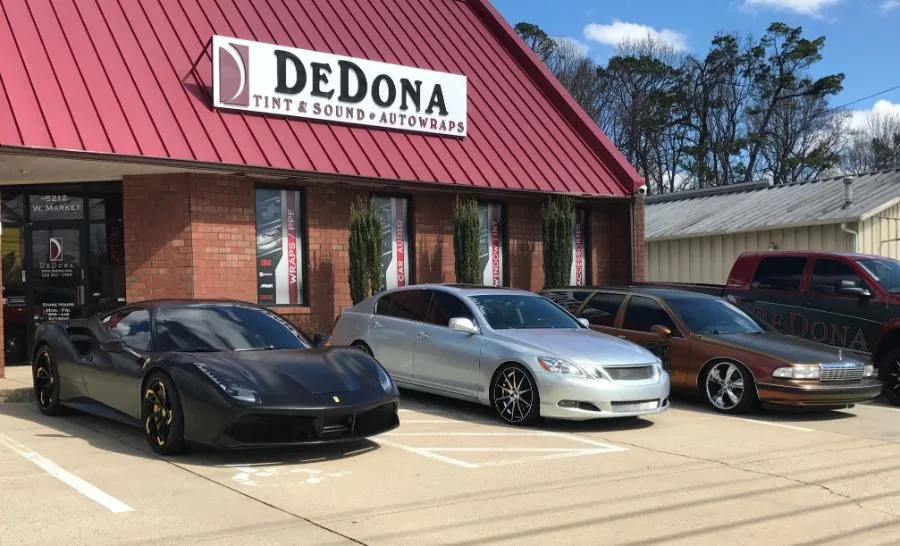
For readers comparing local options, view the DeDona Tint & Sound directory details. Use the vehicle’s exposure map and the exact panel boundaries under consideration to make the coverage choice fit the car rather than an abstract package name.