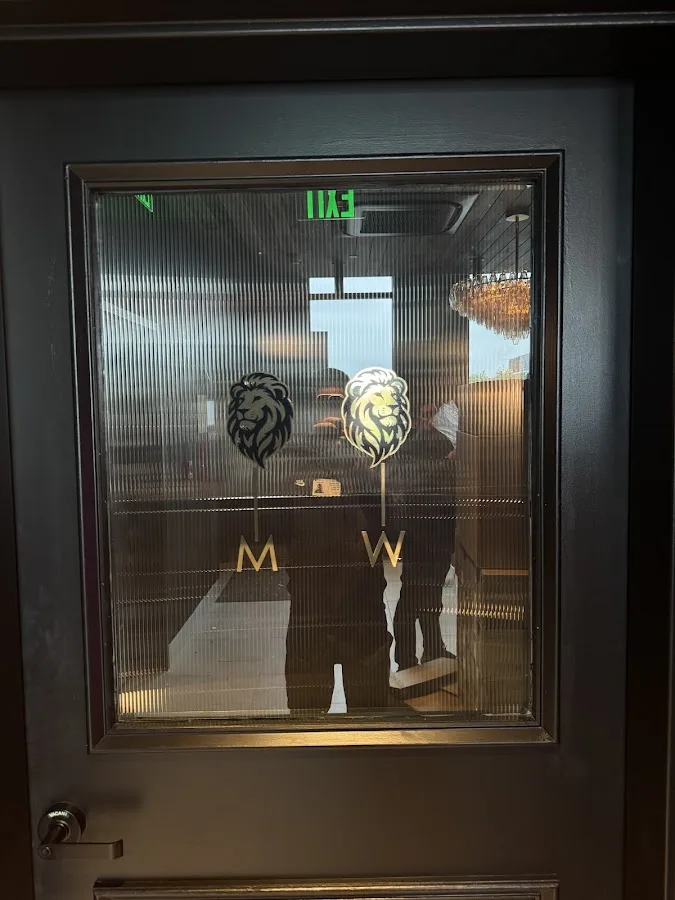
Choosing window film starts with the job the glass needs to do. A homeowner dealing with glare in one room may have a different priority from a business manager considering privacy at an entry or a visual change to a storefront. Custom Films’ website lists residential and commercial window tinting and describes solar-control, privacy, decorative, and security films. Those categories help frame a conversation, but the useful choice depends on the windows involved and the result you want.
Define the problem before comparing film categories
Describe the problem in practical terms: sunlight makes a particular room uncomfortable, passersby can see into a space, or a glass surface needs a different appearance. Note which windows or doors are involved and whether keeping a clear view or natural light is important. For a business, distinguish an exterior storefront window from an interior partition or entry door; for a home, identify the rooms where the issue matters most. A concise description helps keep a quote focused on the actual glass rather than a broad request for “tint.”
Custom Films presents solar control, privacy, decorative, and security films as separate options. The company says its solar-control tint is intended to reduce glare and block UV rays, and describes comfort and energy efficiency as potential benefits. If sun or glare is the main concern, ask what product is proposed for the specific windows and what result is reasonable for those conditions. The company’s general claims are not a measurement of performance for an individual home or building.
Match the film’s purpose to the space
Privacy, decorative appearance, and security are related to glass, but they are not interchangeable goals. The company lists privacy film and decorative film, including frosted and patterned choices. A privacy request should identify where screening is wanted and under what circumstances visibility matters. A decorative request is more about the appearance of the glass and the design appropriate to the space. For either, ask to see or discuss the proposed appearance before settling on a scope.
Security film is another category on the company’s service menu. The category name alone does not describe the protection a particular product or installation provides. If security is your reason for considering film, have the proposed product, intended use, and limitations stated clearly. That keeps a broad service label from being mistaken for a specific protection level.
These distinctions also make it easier to avoid choosing by name alone. Two proposals can use different categories to address different goals, even when both are described casually as window tint. State the priority first—such as reducing glare, screening a view, changing the look of glass, or asking about security—then compare the product and scope offered for that purpose.
Compare estimates by the panes and work included
A useful written estimate identifies the windows or doors covered and the film category proposed for each area. If a project involves multiple rooms or storefront sections, a pane-by-pane or area-by-area breakdown can make the scope easier to compare than a phrase such as “whole building.” Check that competing estimates address the same glass and purpose, and note any preparation, existing-film removal, or other work that one proposal includes and another does not.
Photos or a marked floor plan can help you describe which glass is part of the project. If the property has existing film or glazing that may affect the recommendation, include that information in the discussion. The company’s published service menu does not specify a product for every glass type, so base the comparison on the recommendation and scope given for your project rather than assuming one option fits every pane.
Custom Films says most residential and commercial jobs are completed in a few hours or less, while also describing its work as minimizing disruption. Treat that as general company information, not a schedule for a particular building. The project’s size and details matter when planning access or coordinating work around residents, employees, and visitors; use the estimate or direct discussion to establish the timing that applies to your job.
Read the warranty terms for the selected installation
Custom Films’ website states that its window-tinting installations come with a manufacturer-backed warranty. It describes coverage of up to 10 years for interior tint, one year for exterior tint, and 90 days on labor, and says coverage includes peeling, bubbling, cracking, and discoloration. The listed durations differ by installation type, so identify whether the proposal is for interior or exterior tint and read the written terms for the specific work. The general summary is a helpful point of comparison, not a substitute for the applicable warranty document.
Care instructions are another practical part of completing the project. Use the instructions provided for the selected film and installation rather than applying a general assumption about cleaning or aftercare. Keeping the product and warranty information with the estimate gives you a clear record of what was proposed and which terms apply.
Use Custom Films’ Washington, DC details for a project inquiry
The local listing places Commercial and residential window tinting at 822 H St NE, Washington, DC 20002, and gives the phone number +1 202-596-6380. Custom Films’ contact page lists residential, commercial, and automotive tinting inquiries, gives the same phone number, and states weekday hours of 9 a.m. to 5 p.m., with weekends closed. The company says it serves Washington, DC, Maryland, and Northern Virginia. These details offer a direct starting point for a local project inquiry; confirm current service scope and scheduling for the property in question.
When you reach out, lead with the property type, the affected glass, and the main goal. Then compare the proposed film, written scope, timing, and applicable warranty terms. That approach turns the company’s broad menu into a focused decision about the windows you actually want addressed.