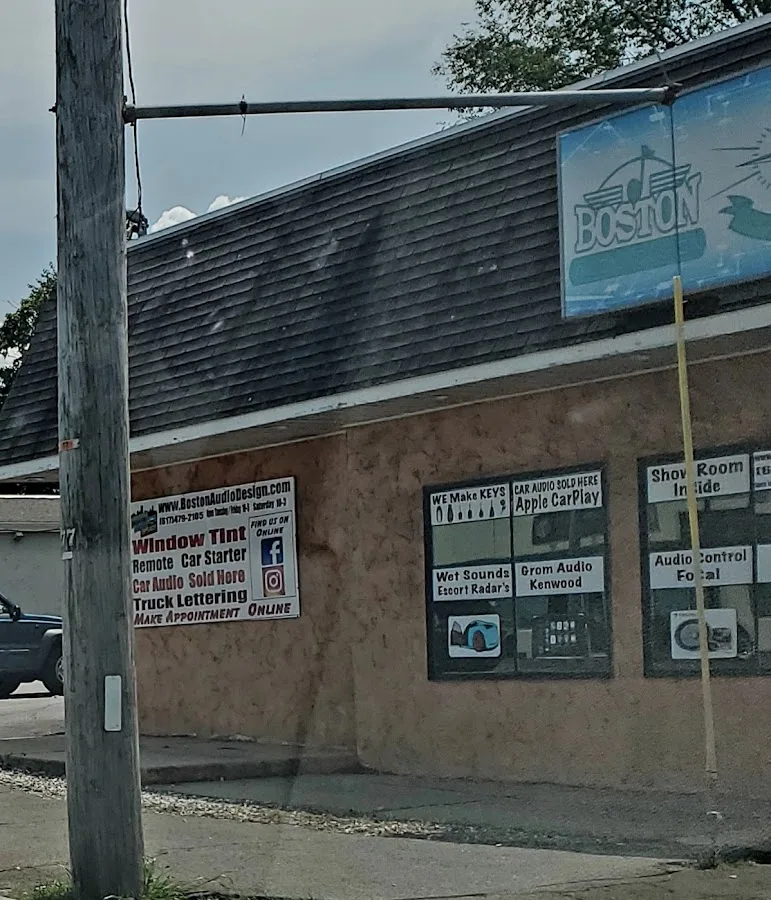
Choosing a window-tint installer is usually less about “darker” and more about whether the quote matches your real goals: heat rejection, glare control, and a warranty you can understand when something doesn’t look right after installation. Boston Audio Design in Quincy, MA positions itself as a dedicated window-tint shop, and its public information includes specific benefit areas plus a lifetime warranty statement that you should confirm in writing.
In this guide, we’ll use the publicly listed signals from Boston Audio Design to map out what to ask, what to verify before you book, and how to evaluate whether their proposed film scope fits your vehicle and your expectations.
Start with scope: which windows are actually included in the quote?
Even if two shops both offer “window tint,” the project can be completely different depending on which glass surfaces are included. Before you approve anything, ask for the quote scope in plain language: which side windows, rear glass, and (if applicable) sunroof/moonroof are covered, and whether any special glass or installed components change the price or timeline. This is also where you confirm if the installer is quoting a standard package or pricing each window category separately.
For your decision, try to get the scope delivered the same way you’d use it later—so you can verify the installed results match the written agreement.
Match Boston Audio Design’s “heat, glare, IR protection” claims to checkable expectations
Boston Audio Design’s window-tint page publicly lists several benefit categories: heat rejection, glare control, and IR (infrared) protection. It also highlights lifetime warranty coverage. Those are useful direction-setting signals, but they still need translation into concrete expectations for your specific car.
When you call or book, ask how they expect those benefits to show up for your vehicle. For example:
- Which film category are they recommending for heat rejection (and why that choice fits your climate and parking conditions)?
- How do they address glare reduction in real-world driving (daytime sun vs. night headlight glare)?
- What does “IR protection” mean in their explanation—what should you expect to feel and notice after the film cures?
Keep the conversation anchored to what they will actually install, not just the marketing categories.
Confirm the lifetime warranty: what’s covered, what’s excluded, and how to submit a claim
Boston Audio Design publicly states an “IR protection”/“lifetime warranty” message on its window tint page and also references lifetime warranty language on its main site. However, warranty clarity is only real when the terms are specific. Ask for the warranty details in writing and confirm at least four points:
- Coverage duration and whether it is tied to the original customer/vehicle or transferability.
- What qualifies as a valid defect (e.g., bubbling, peeling, discoloration) versus cosmetic wear.
- Exclusions that commonly cause disputes (improper cleaning, aftermarket damage, accidents, or abuse).
- The claim process: how you document the issue, where you bring the vehicle, and typical next steps.
Address these directly because a “lifetime” label can mean different things depending on the fine print.
Quincy practicalities: call before you assume availability and service process
Boston Audio Design lists contact signals on its site, including the phone number (617) 479-2105 and an address reference on its Quincy, MA profile (659 Southern Artery, Quincy, MA 02169). Its site also indicates you can book an appointment for window tinting. Before you show up, it’s smart to confirm the install plan: expected timing for your vehicle, what aftercare they recommend, and whether you should bring the car in under certain conditions (cleanliness, window readiness, and any constraints that affect curing time).
What to ask at the appointment so your results match your goals
To keep the decision focused, prepare 5 short questions that lead to usable answers:
- Which windows are included for my vehicle model and trim?
- Which film option are you recommending for heat rejection and glare control?
- What exact warranty language should I expect for installation and potential film defects?
- What is the aftercare/cure guidance for the first days after install?
- If I’m unhappy with the result, what is the next step under the warranty?
If the shop can answer with clear scope details and specific warranty wording, you’re starting from a strong position. If they stay vague, ask again—your quote should be specific enough that you can evaluate it before money changes hands.
Bottom line: Boston Audio Design’s public signals highlight heat rejection, glare control, IR protection, and lifetime warranty coverage. Your job as a vehicle owner is to turn those signals into a written scope, verify the warranty terms, and confirm aftercare expectations so your tint decision in Quincy is grounded in specifics—not just a promise.