A useful car window tint quote makes clear what glass is included, which film is being installed, what its stated performance means, how the warranty applies, and how long the job is expected to take. Two totals are comparable only when the work behind them is comparable. Richmond drivers can use those details to separate a basic sides-and-back package from a quote that includes additional glass or a different film tier.
Start with the glass included
Ask each shop to name the windows covered by the quoted package. “Full tint” can sound comprehensive without specifying whether it means the side windows and rear glass, or also a windshield, sunroof, or panoramic roof. The difference affects both coverage and labor, so the quote should identify the panes rather than rely on a package nickname.
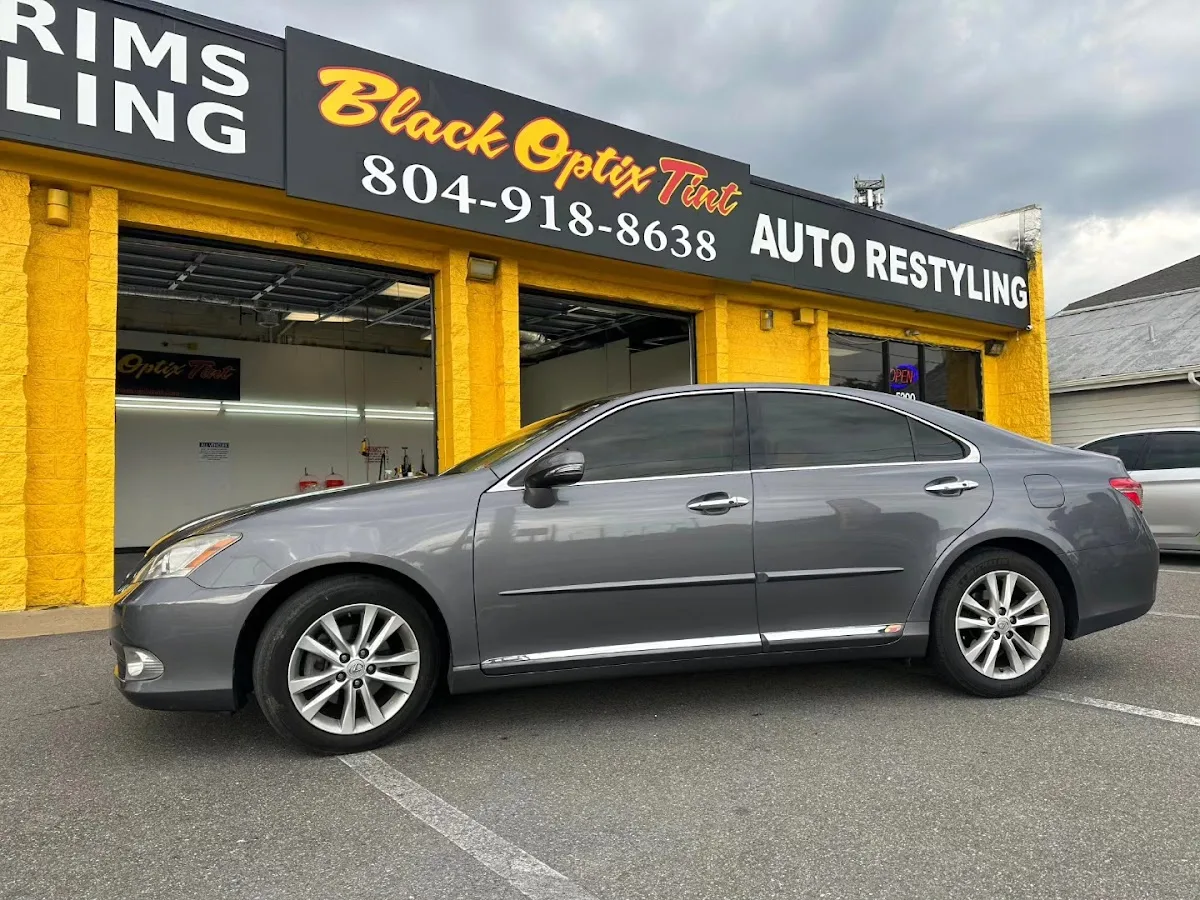
For example, Black Optix Tint North Richmond describes its package pricing as covering sides and back glass, while listing full windshields, individual windows, sunroofs or panoramic roofs, and tint removal as add-ons or standalone services. That breakdown shows why a lower package total may not include the same work as a larger quote. Compare line by line, and distinguish any old-film removal from the new film installation.
A practical comparison table can keep the scope visible:
| Quote detail | What to compare | Why it matters |
|---|---|---|
| Glass | Each included pane and any exclusions | Packages may cover different parts of the vehicle |
| Film | Product or tier name and stated performance | Film options are not interchangeable labels |
| Other work | Removal, windshield, roof, or single-window charges | Add-ons change the final scope and total |
Match the film tier to the performance you value
Film names alone do not tell you how two products compare. Look for the performance measure the shop provides, then identify what matters most for your use: for example, stronger heat control, a certain appearance, or a lower-cost option. If a quote uses a rating scale, treat it as that provider’s comparison unless the same measurement method and definitions are available across products. A score from one brand should not automatically be read as directly equivalent to another brand’s score.
Black Optix’s page presents its own ratings for three tiers: Optix Excel is rated 3 out of 5 for heat rejection and 2 out of 5 for infrared rejection; Optix Extreme is rated 4 out of 5 for both; and Optix Extreme IR is rated 5 out of 5 for both. Its FAQ characterizes carbon as a value-oriented film with solid heat rejection and ceramic as its strongest heat- and infrared-rejection choice. Those are the business’s descriptions of its options, not a universal cross-brand scale. When comparing estimates, record the exact film name and the measure behind any performance claim instead of comparing “ceramic” or “premium” as if those words specified one standard product.
This distinction helps make a quote fit your priority. A driver focused on cost may weigh one tier differently from someone who values higher stated heat-rejection ratings. Ask what film the written estimate names and which performance information applies to that exact selection; then compare that selection against the other quote rather than against a general material label.
Read the warranty for its actual coverage
Warranty language is most useful when it spells out covered problems, duration, and which film or vehicle qualifies. “Lifetime warranty” is not a complete comparison by itself: lifetime may have a defined scope, and two warranties may cover different defects. Keep the written terms with the quote so you can assess them alongside product and price.
Black Optix states that its film warranty covers bubbling, peeling, cracking, fading, and delamination for as long as the customer owns the vehicle. When comparing its quote with another, line up those named conditions and the duration, and check that the wording applies to the film and vehicle being quoted. This turns a broad warranty label into terms you can actually compare.
Use a vehicle-specific time estimate
Installation timing also belongs in the quote because the amount of glass and vehicle can change the job. Black Optix says most installations take one to two hours, with the exact time depending on the number of windows, film choice, and vehicle; its FAQ says customers receive an estimate when booking. Treat that as the shop’s stated guidance, not a universal appointment length. A windshield or additional roof glass, for instance, means the work being scheduled differs from a sides-and-back package.
Before choosing between estimates, put the key details next to one another: included panes, film tier and stated performance, any separately priced work, warranty terms, and the time estimate for your vehicle. If those match your intended job, the totals become a meaningful comparison. If they do not, revise the comparison to account for the missing glass, different film, or different coverage rather than treating the cheapest headline number as the same service.